

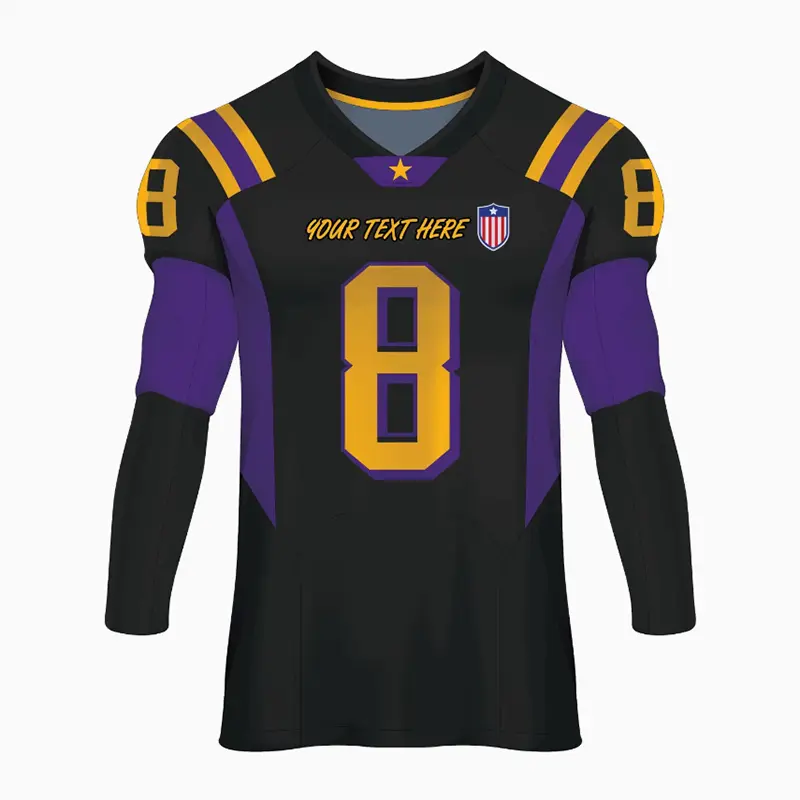
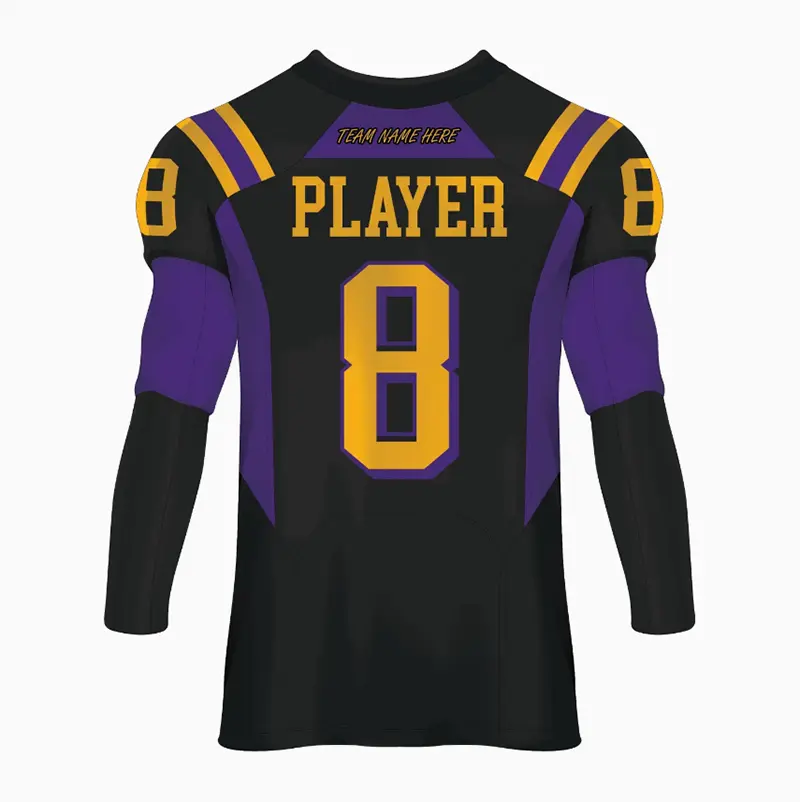
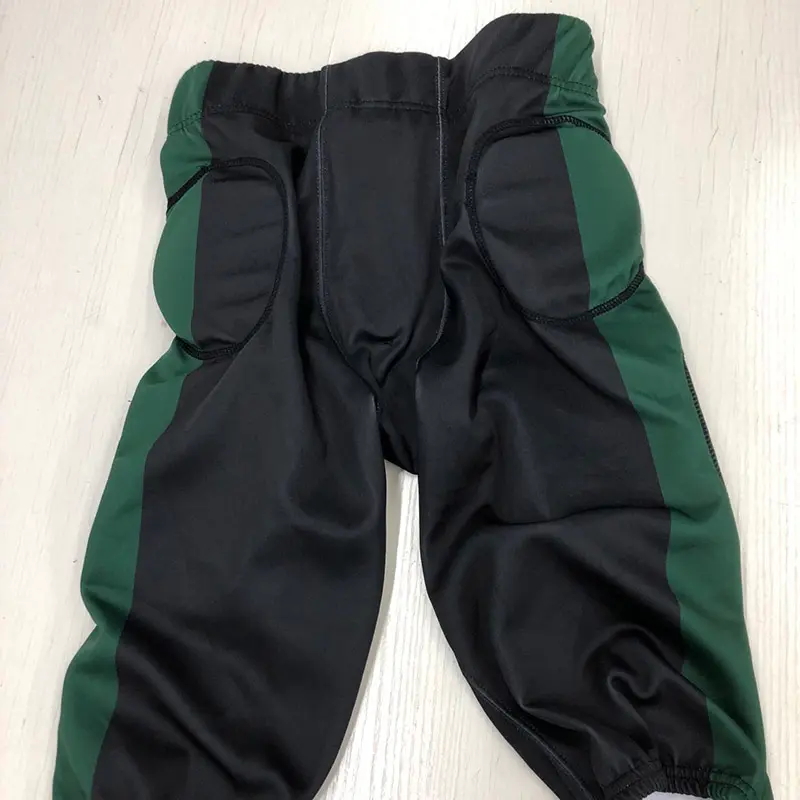
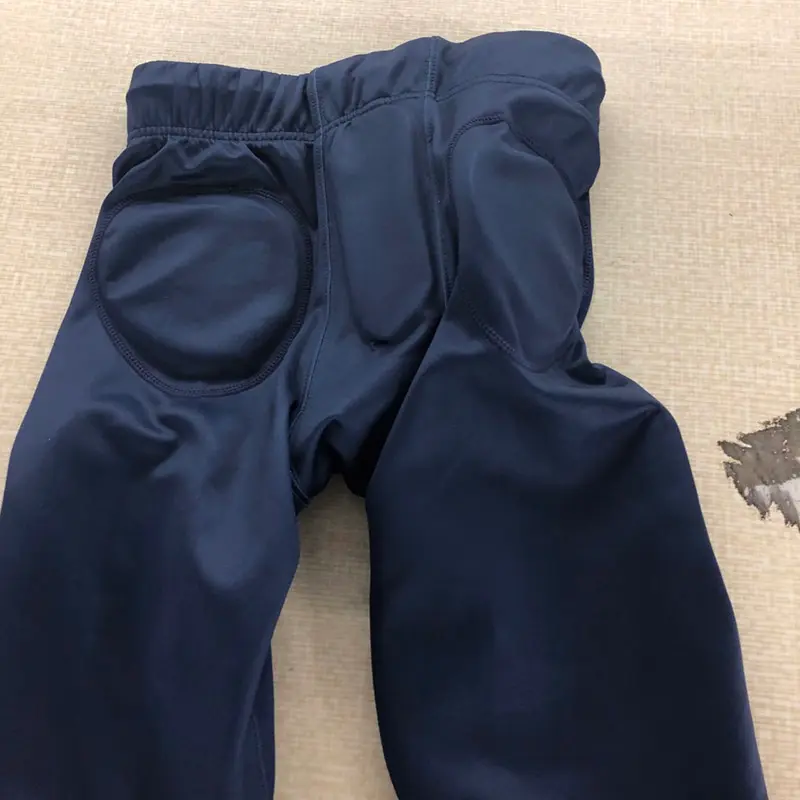
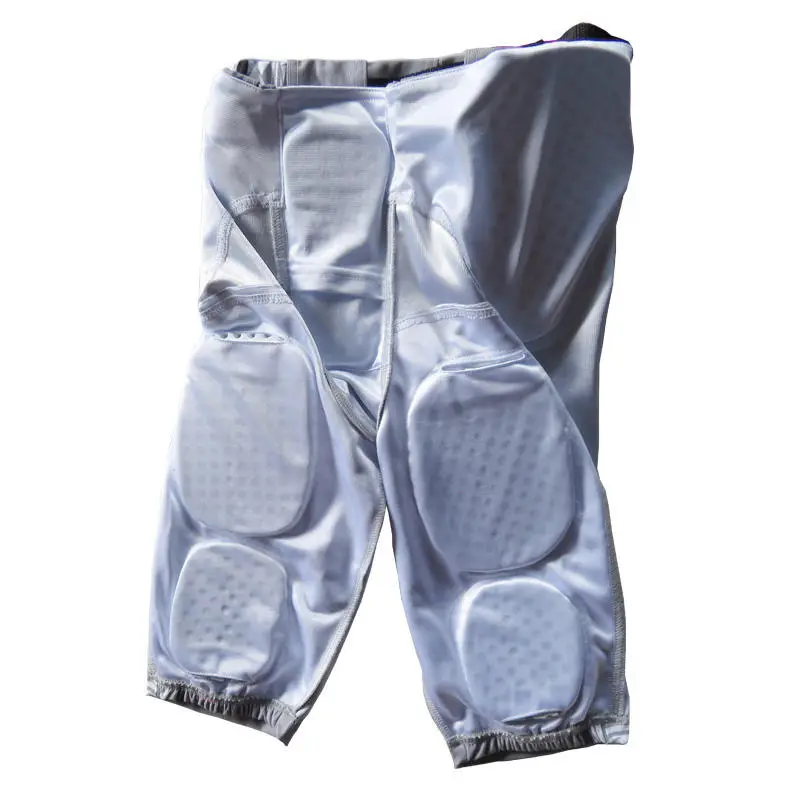
Custom American Football Jerseys
USD $8-$25 per piece
Custom order range, depending on quantity, fabric, decoration method, size mix, and packing requirements.
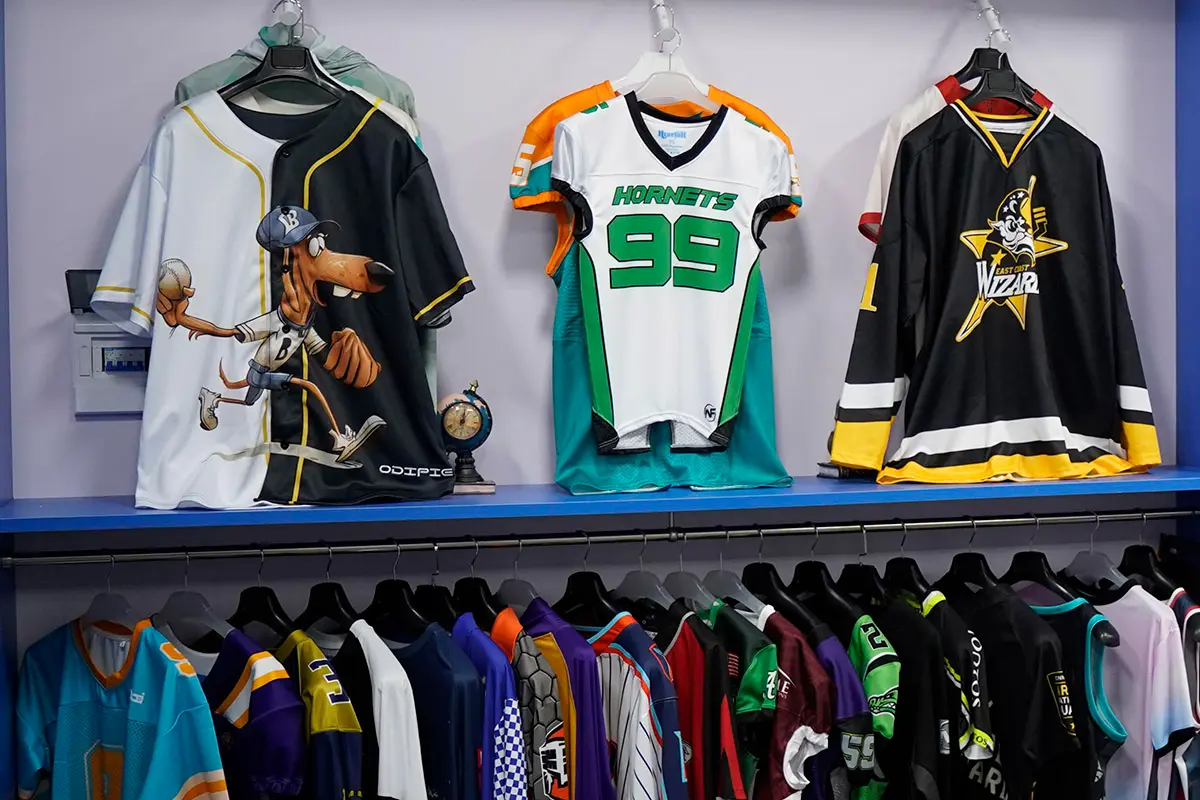
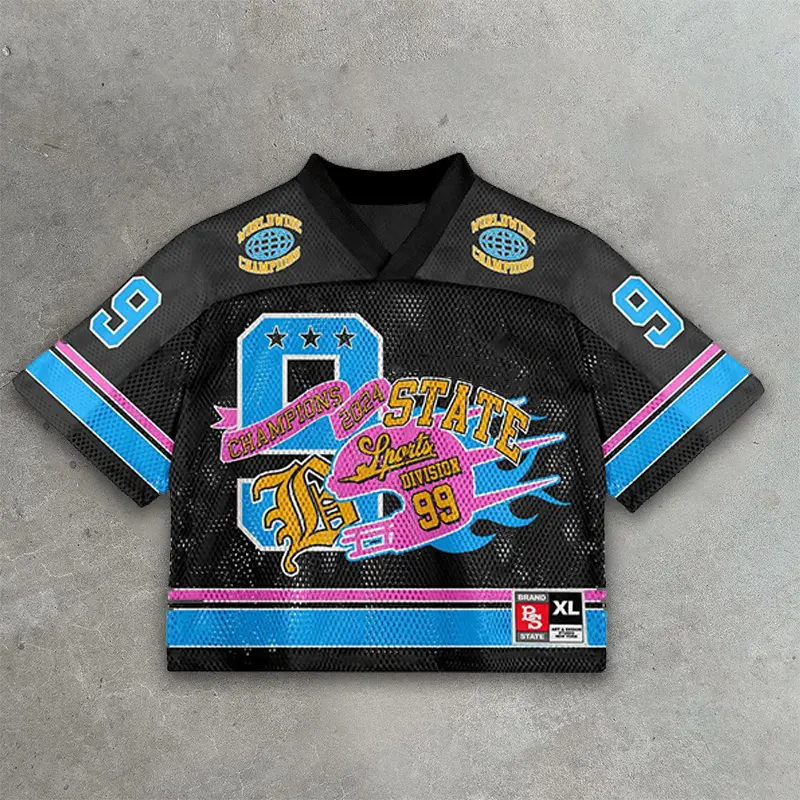
Built for American football, these jerseys can be made for games or practice, with adult, youth, and pad-fit options.
- Use: game, practice, adult, or youth
- Structure: pad space, shoulder build, mesh zones, and reinforced seams
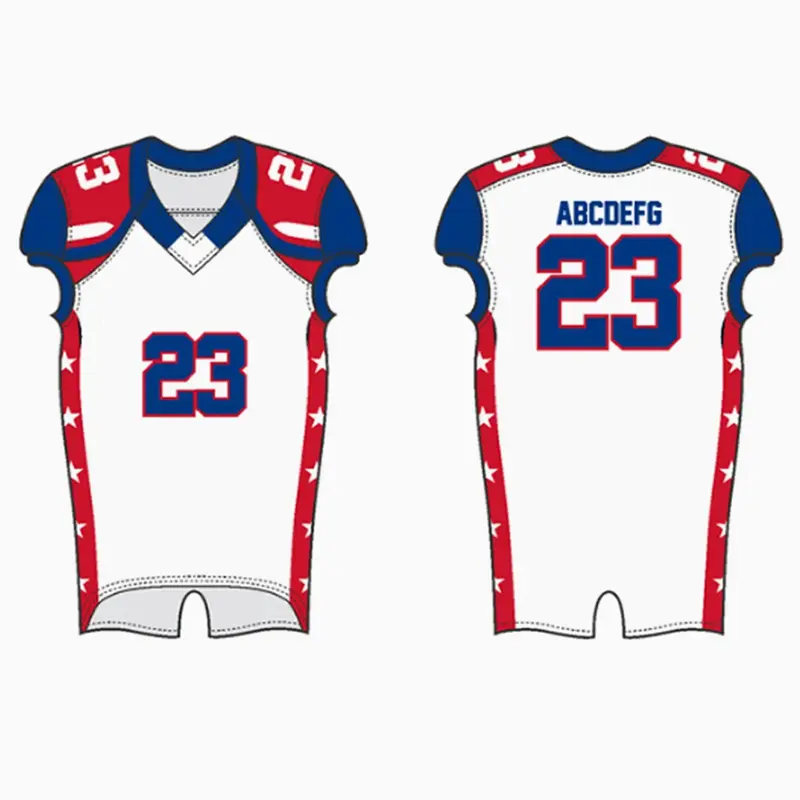
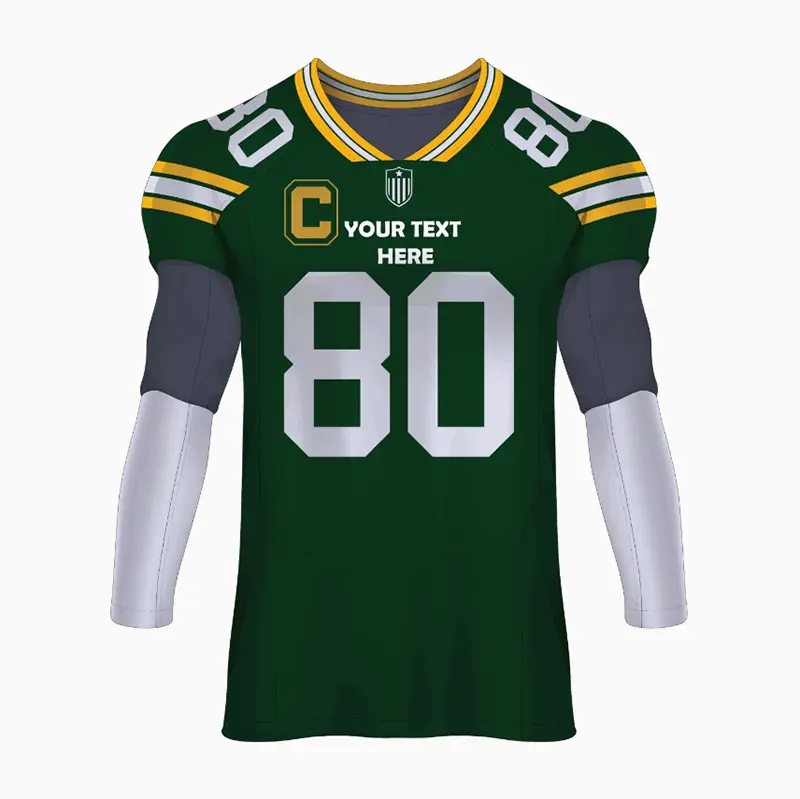
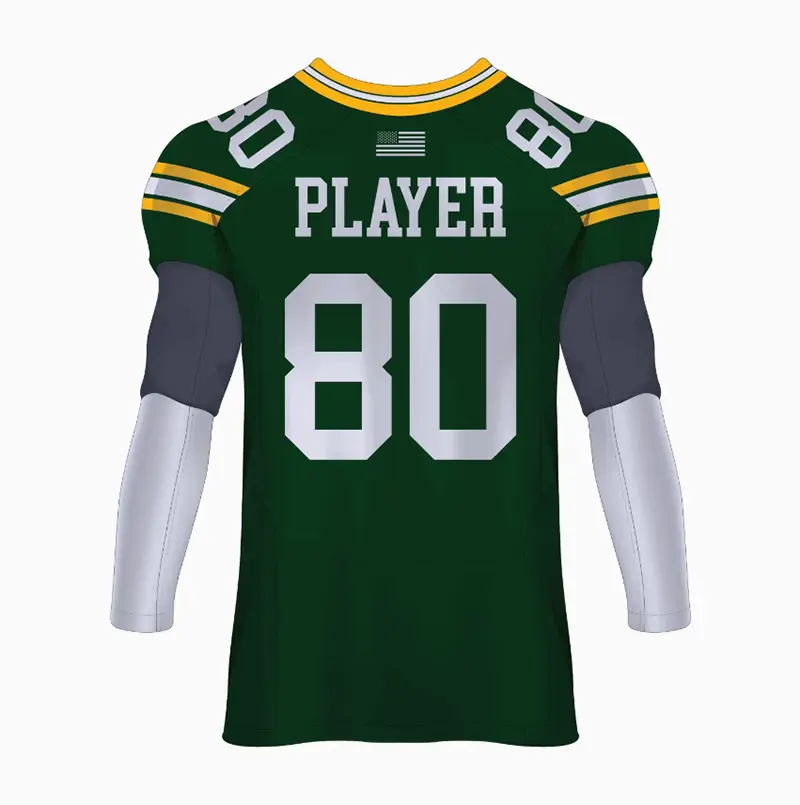
- Details: front, back, and shoulder numbers with names and team marks
- Material: approved double-knit, pin-dot mesh, or stretch panel combinations
- Fit: adult, youth, regular, or pad-fit patterns
- Decoration: sublimation, heat transfer, patches, or tackle twill
- Packing: individual or player-linked packing
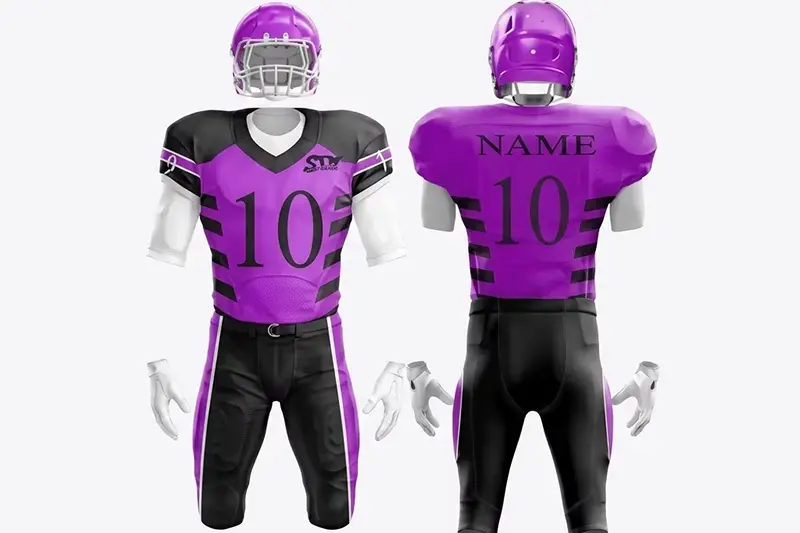
Set the Pad Fit Before the Artwork
A pad-fit game jersey needs different shoulder and chest room from a practice top. Confirm the equipment and use first, then approve the fit, sleeves, cuffs, mesh zones, reinforcement, and number size on one sample.
Three American Football Jersey Decisions
Set the pad fit, panels, and numbers before sampling.
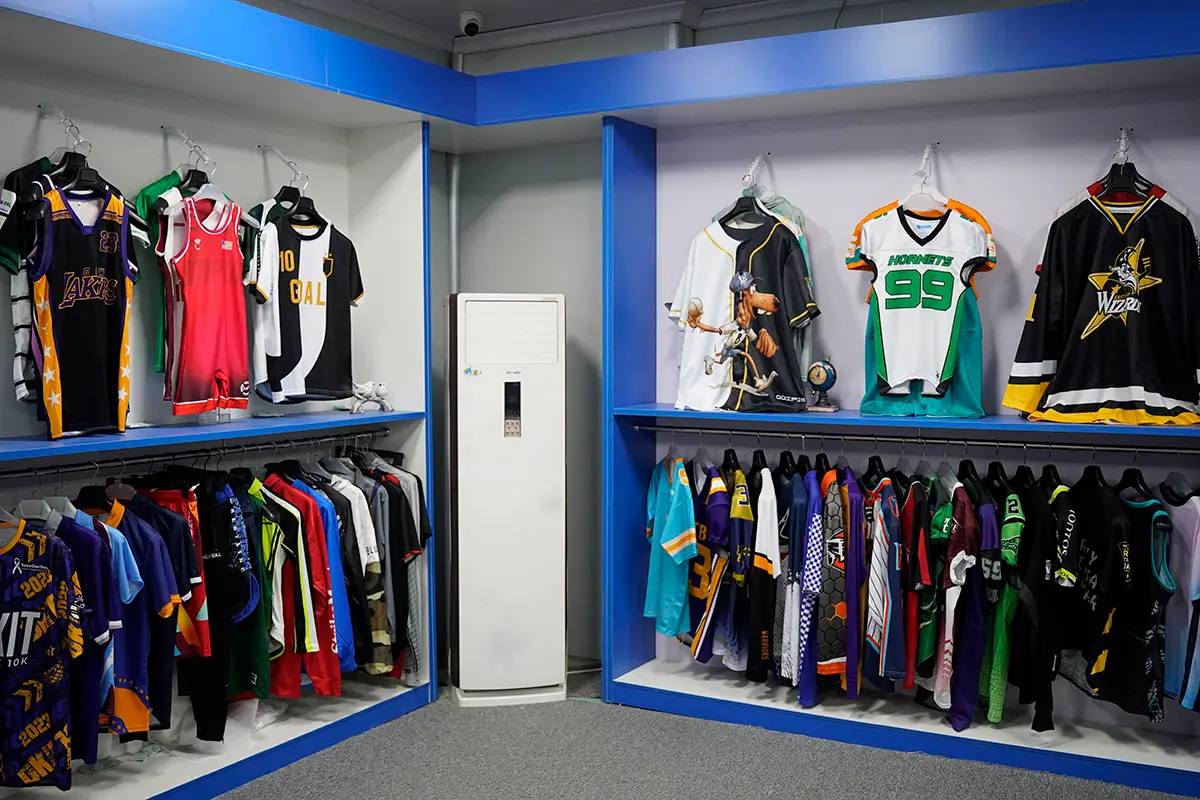
Game, Practice, or Pad-Fit
State the use and whether pads will be worn. Confirm the fit over the intended equipment.
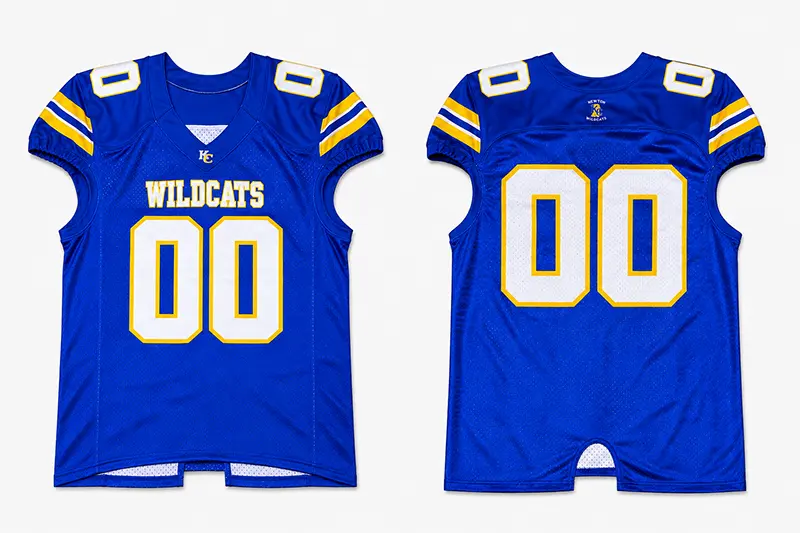
Mesh and Reinforcement
Place mesh and reinforcement only where the approved structure needs them.
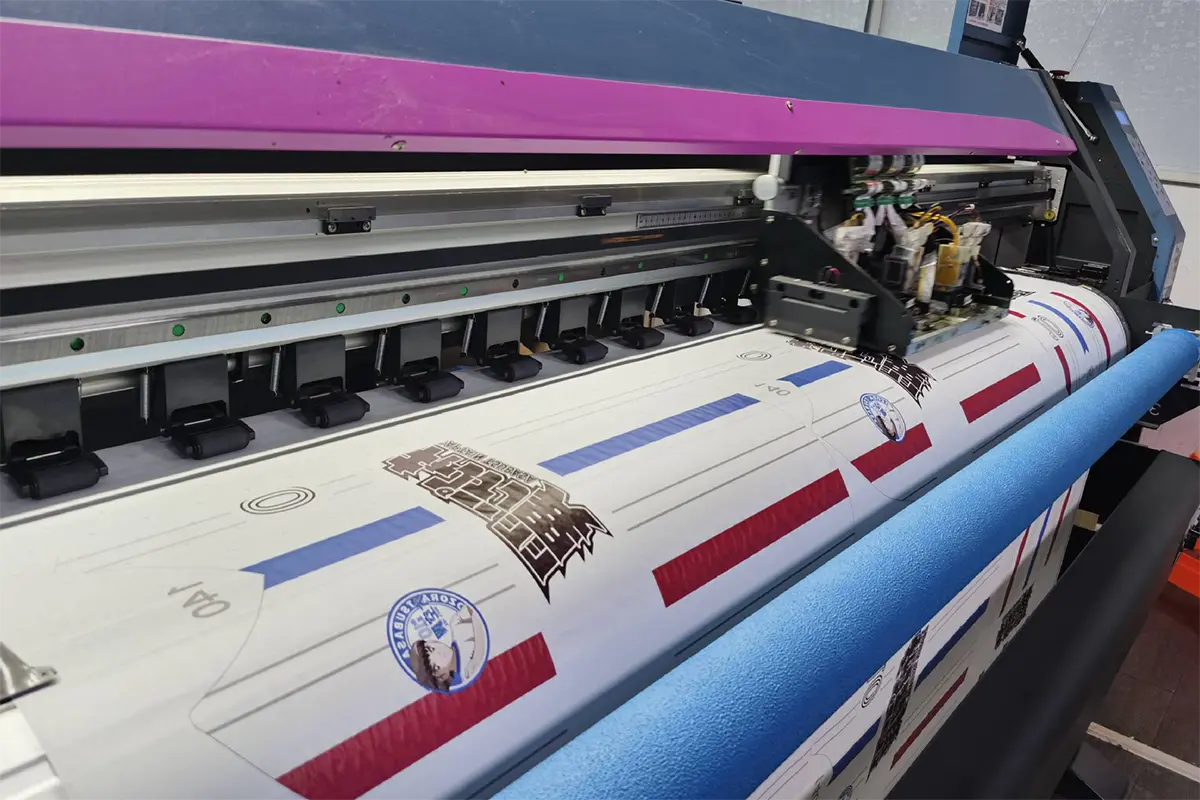
Numbers and Decoration
Keep front, back, and shoulder numbers inside their panels. Choose sublimation, heat transfer, or tackle twill.
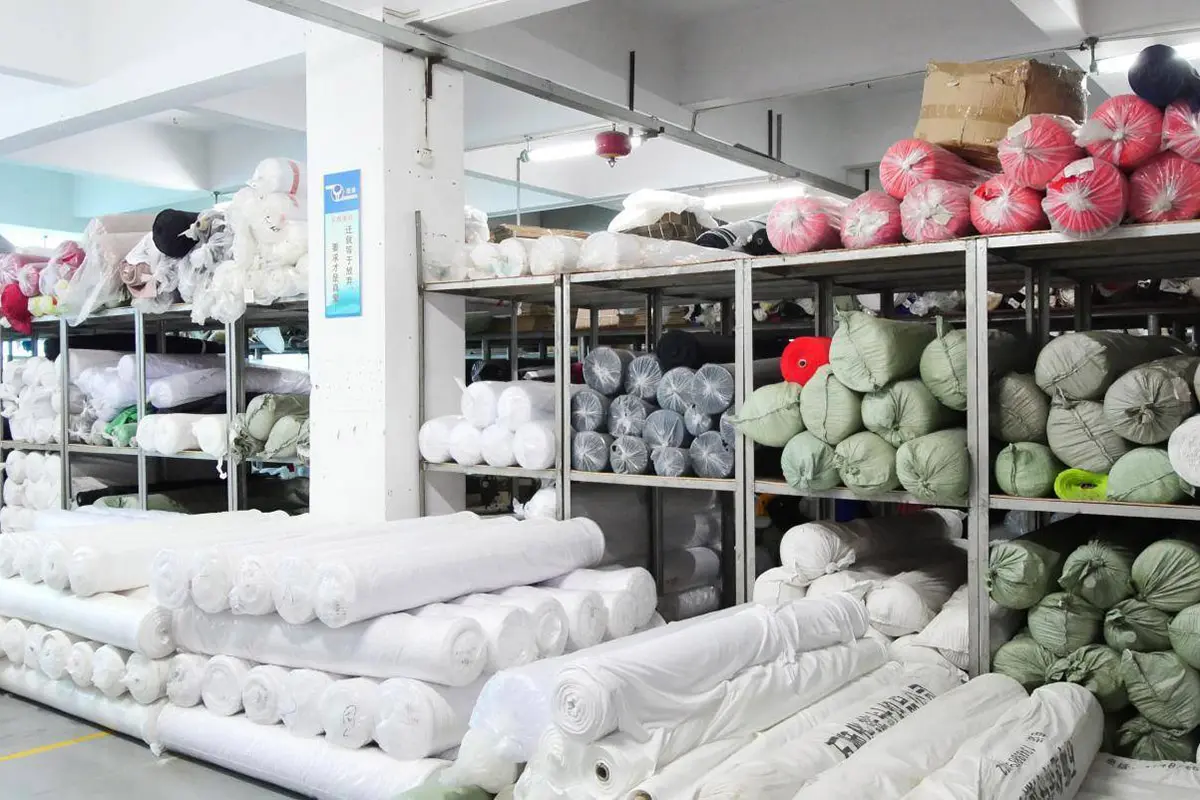
Match Materials to the American Football Build
Football styles may combine materials, so approve each panel on the sample. Reference weights include 140, 160, 180, 200, 220, and 240 GSM.
- Double-knit polyester
Firmer support for structure or heavier decoration. - Pin-dot mesh
For selected panels; hole size affects coverage and print detail. - Stretch panels
For controlled movement; the stretch direction must match the cut.
Measure Over the Intended Pads
Use the intended equipment and football-specific measurements—not a casual T-shirt size.
- Pattern
Confirm the adult or youth version. - Measurements
Check chest, body length, shoulder width, sleeve opening, and pad room. - Production reference
Use finished measurements, a reference jersey, or a pad-fit sample.
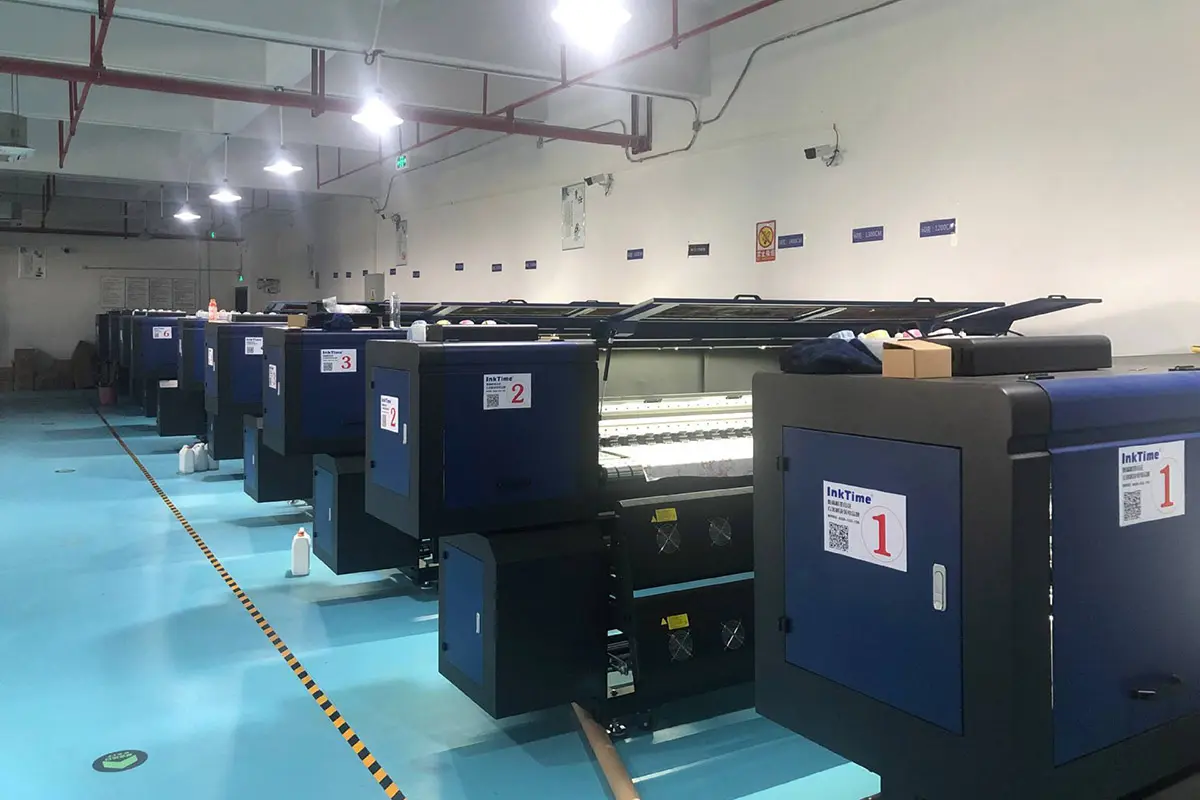
Keep Numbers Clear Across Panels
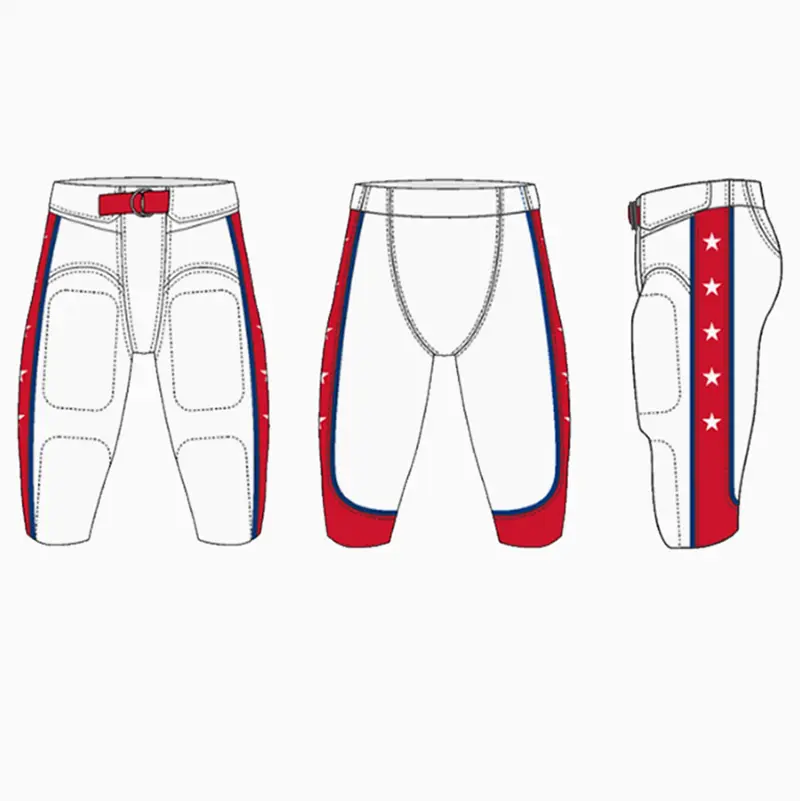
Plan body, shoulder, sleeve, side-panel, and number colors together.
- Number contrast
Keep front, back, and shoulder numbers clear. - Cross-panel artwork
Check graphics that cross a panel or reinforced seam. - Approval
Review placement on the approved pattern.
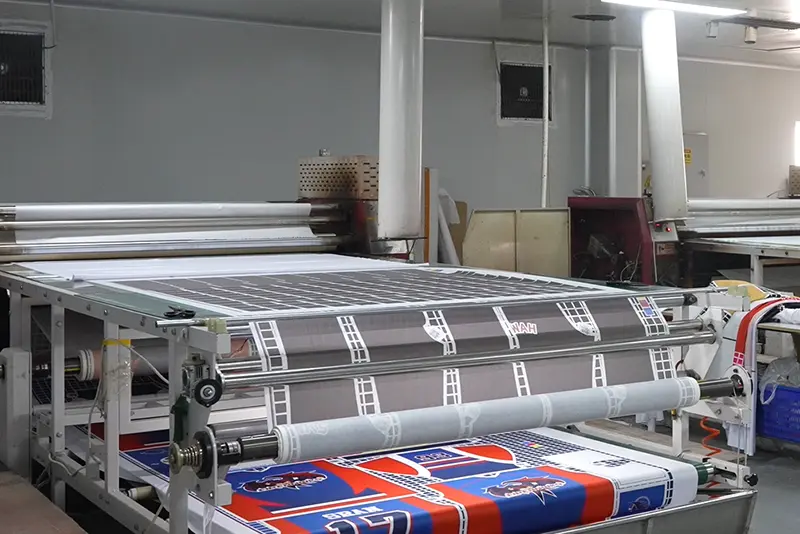
Match Decoration to Each Panel
Place the team name, player name, crest, numbers, and sleeve marks on the approved layout.
- Sublimation
For artwork integrated into suitable polyester. - Heat transfer
Test the chosen design on the selected material. - Tackle twill and patches
Use stable panels away from bulky seams or open mesh.
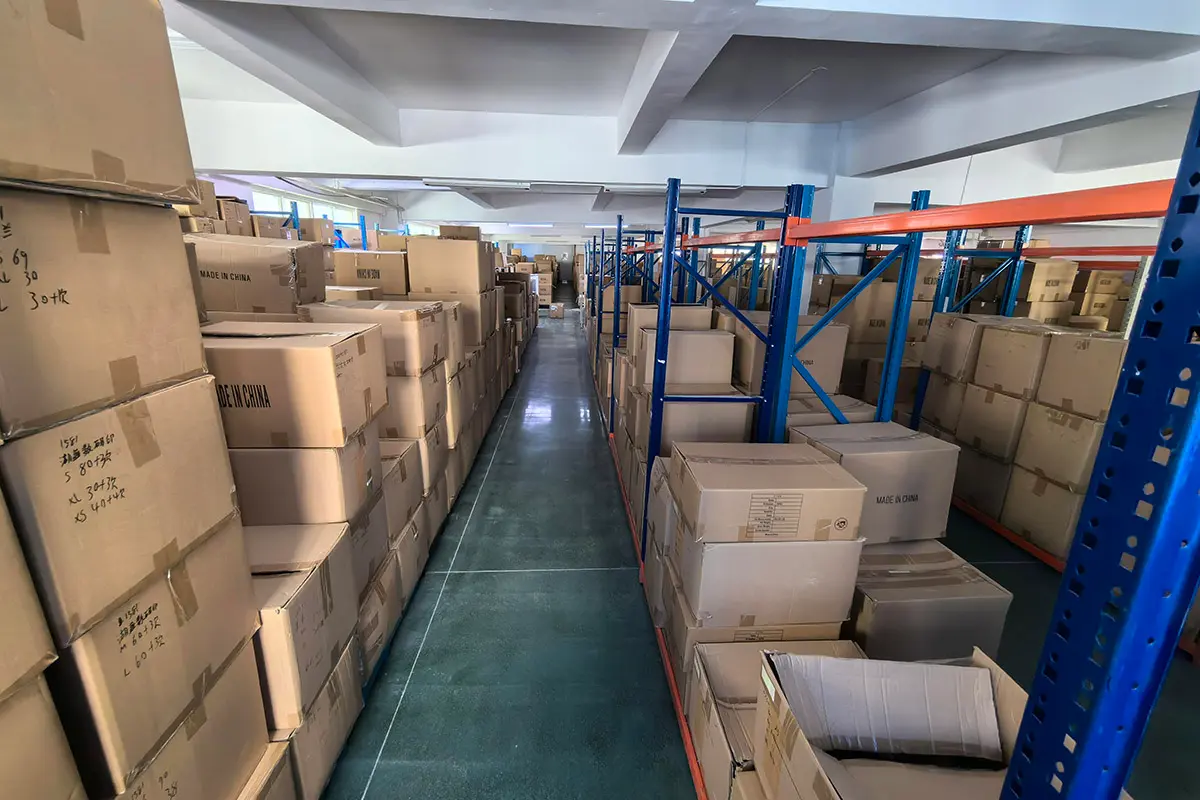
Separate Game, Practice, Adult, and Youth
Keep each football version clear through packing.
- Pack label
Identify the player, number, size, team, and game or practice version. - Version control
Separate adult, youth, game, and practice styles. - Final check
Match the jersey structure, size label, and final roster before packing.
Choose by Equipment and Contact Fit
Start with the equipment worn under the jersey.
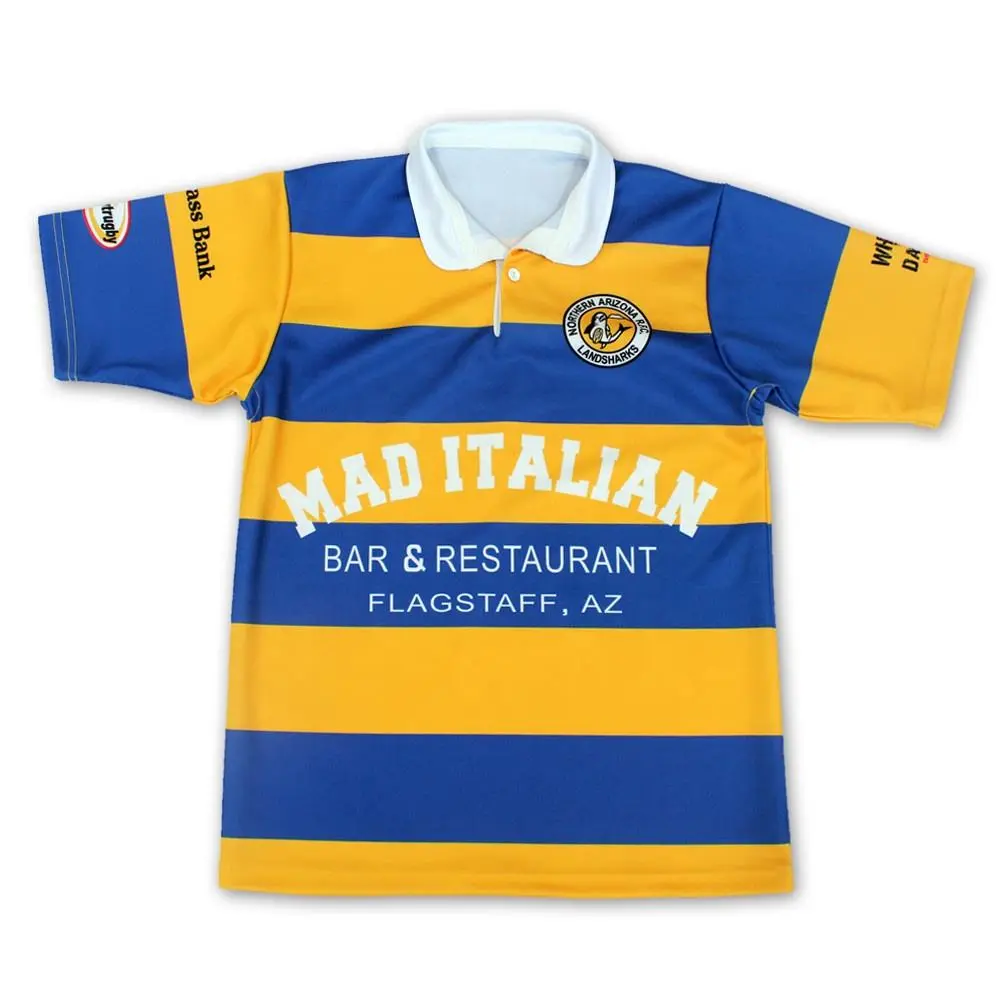
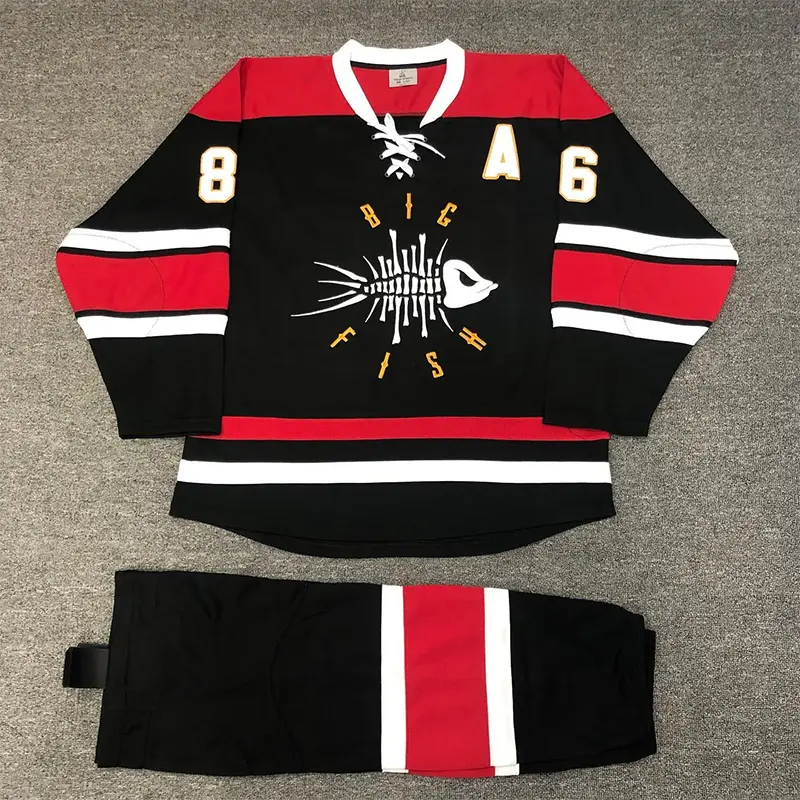
Inspect the Shoulder Before the Numbers
Check pad space, shoulder and sleeve direction, mesh panels, cuffs, and reinforced seams against the approved sample. Then check artwork, shoulder numbers, and tackle twill placement. Match every version, size, and label to the roster before packing.
Send the Pad and Jersey Details
Send the game or practice use, adult or youth group, pad details, reference jersey, fit, materials, quantity, artwork, number method, roster, sizes, packing, destination, and required date.
Request an American Football Jersey QuoteFrequently Asked Questions
Answers to common football jersey production and roster-control questions.