

Choose Jersey Fabric for the Job
Choose by the jersey, fit, surface, weight, stretch, print method, and decoration. There is no single material for every sport.
- Smooth surface: clearer edges for small sublimated details
- Open mesh: check coverage, print detail, and decoration
- Stretch or firmer knit: match the fit and garment structure
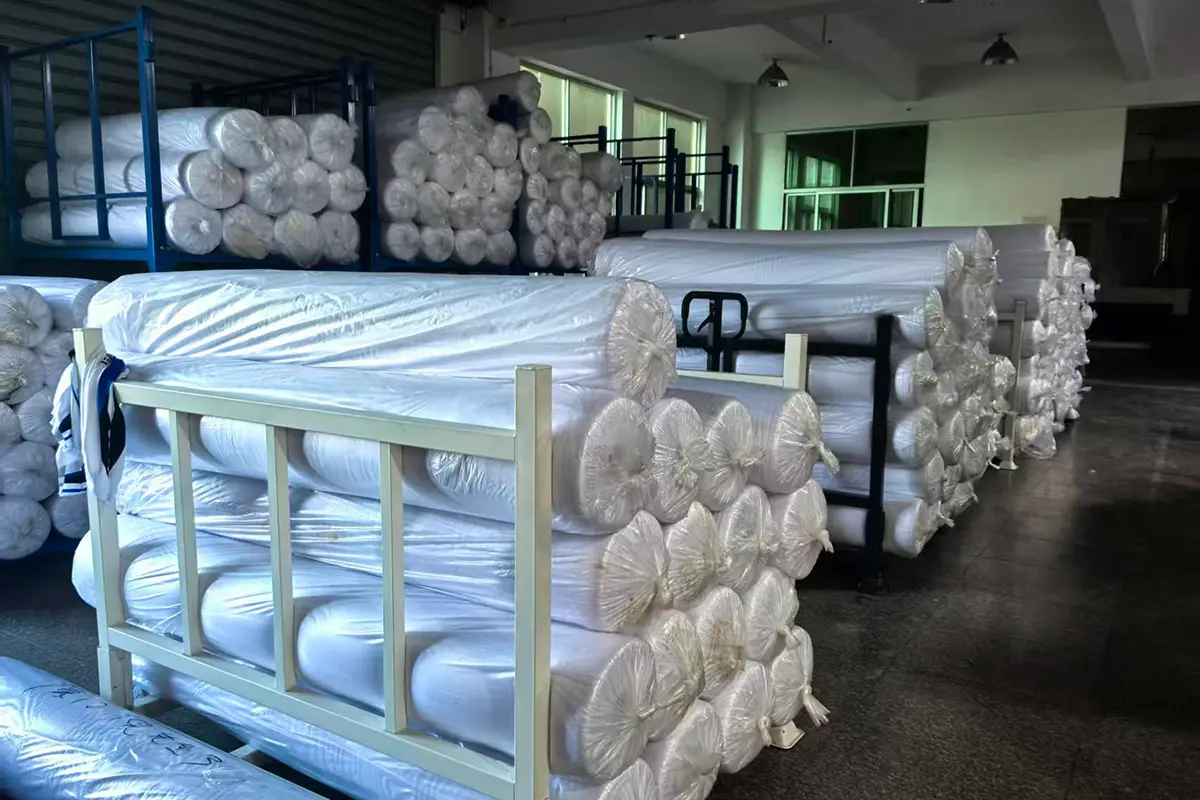
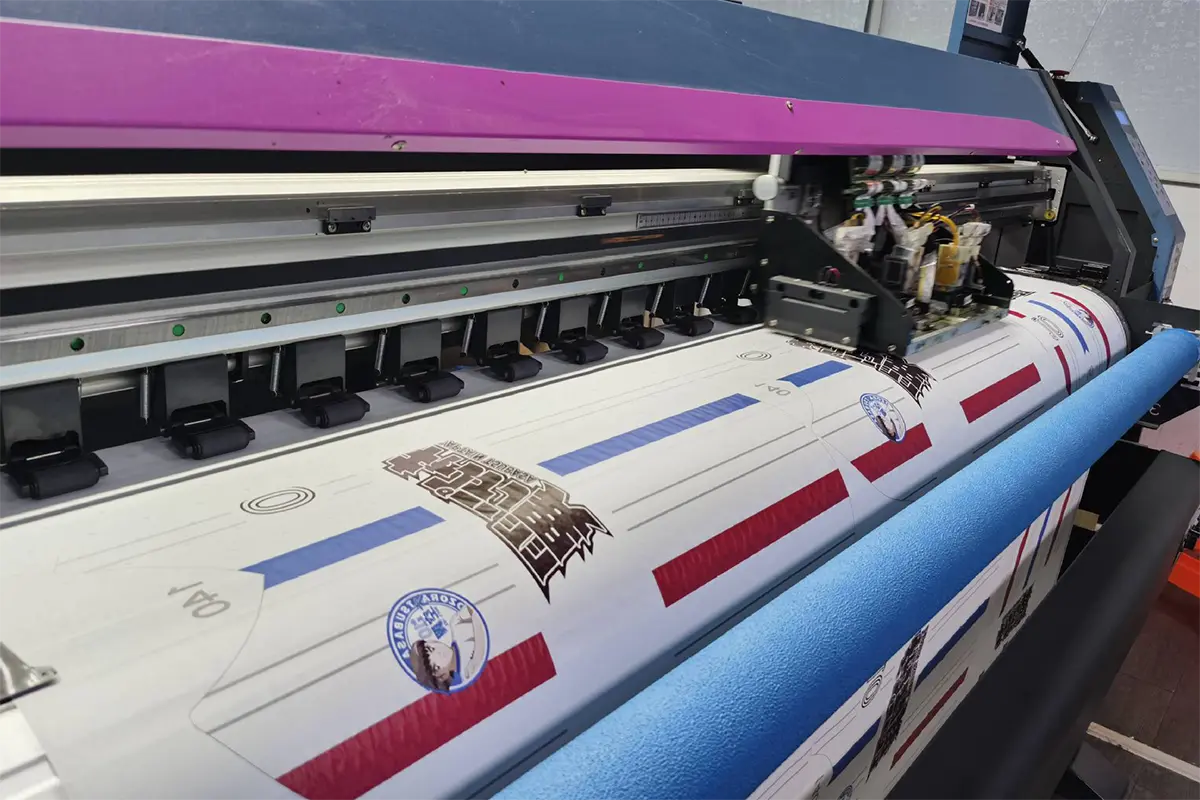
Check the Specification, Not Just the Fabric Name
Review three groups of information before choosing:
- Fabric specification: code, composition, reference GSM, surface, and stretch direction
- Finished result: weight, feel, light-color coverage, fit, and snagging risk
- Print and decoration: detail clarity, color result, embroidery weight, patch support, and heat-transfer match
Available fabric weights: 140, 160, 180, 200, 220, and 240 GSM.
Four Fabric Directions to Compare
Compare the surface, structure, fit, and limits before choosing the sample fabric.
Polyester Interlock
Interlock has a relatively smooth surface. It is often reviewed for sublimated soccer, basketball, and volleyball jerseys when clean print edges matter.
Confirm the actual GSM, stretch, light-color coverage, snagging risk, and wash result. “Interlock” does not mean one fixed weight or performance level.
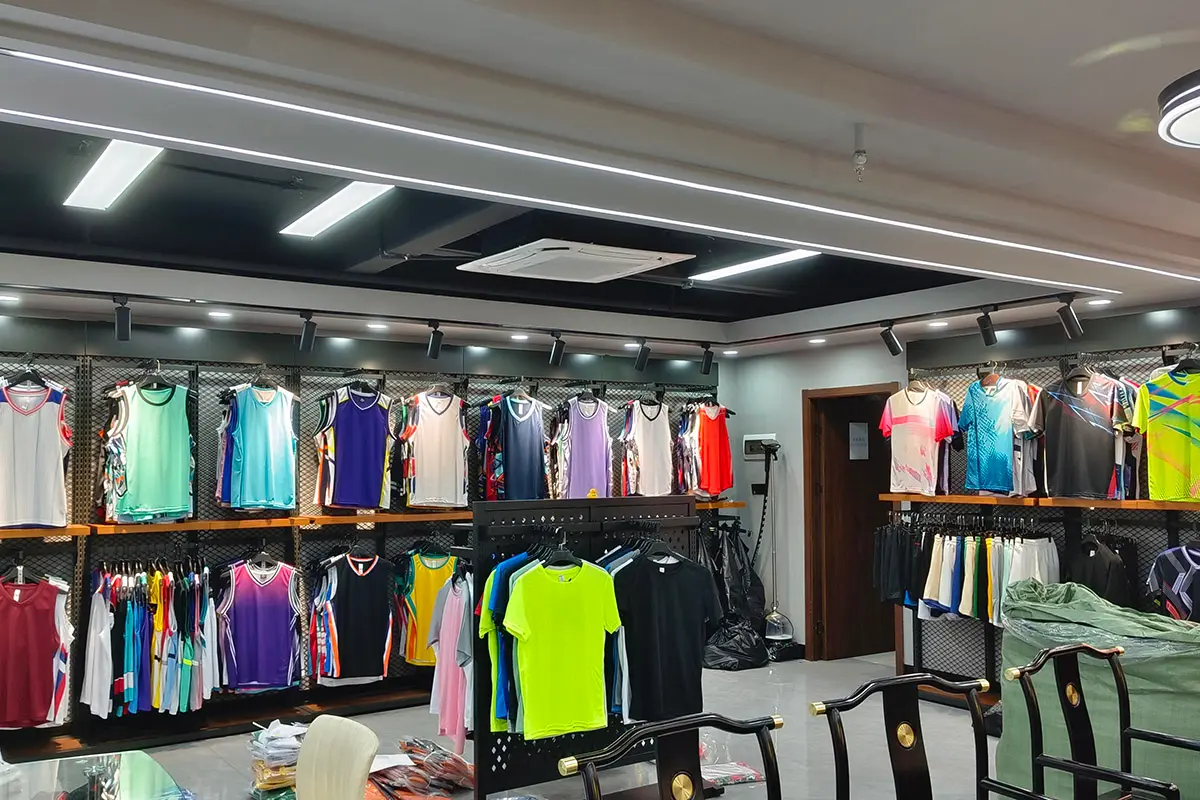
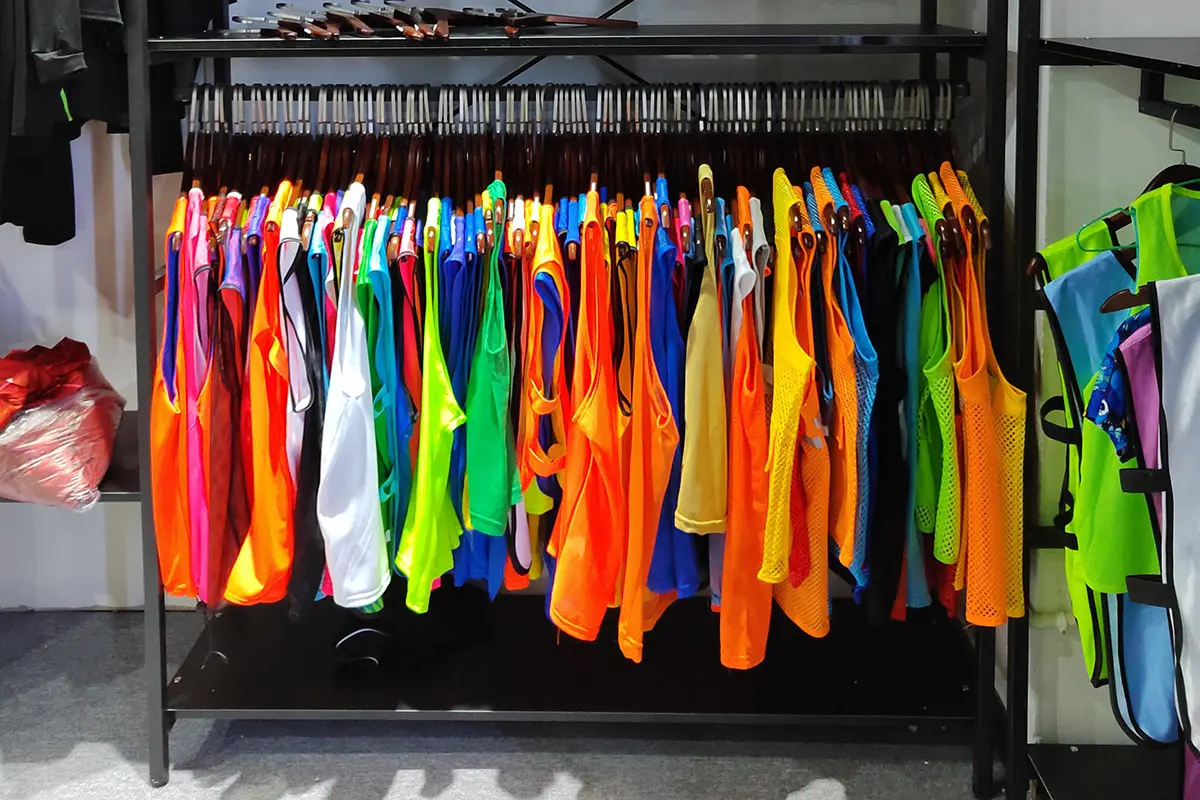
Performance Mesh
Bird-eye, micro, pin-dot, and honeycomb mesh have different hole sizes and surface patterns. These differences affect the look, feel, coverage, and printed detail.
Open or lightweight mesh can interrupt small lettering and may show through in white. Embroidery or a large heat transfer can also pull or weigh down a thin mesh.
Double-Knit Polyester
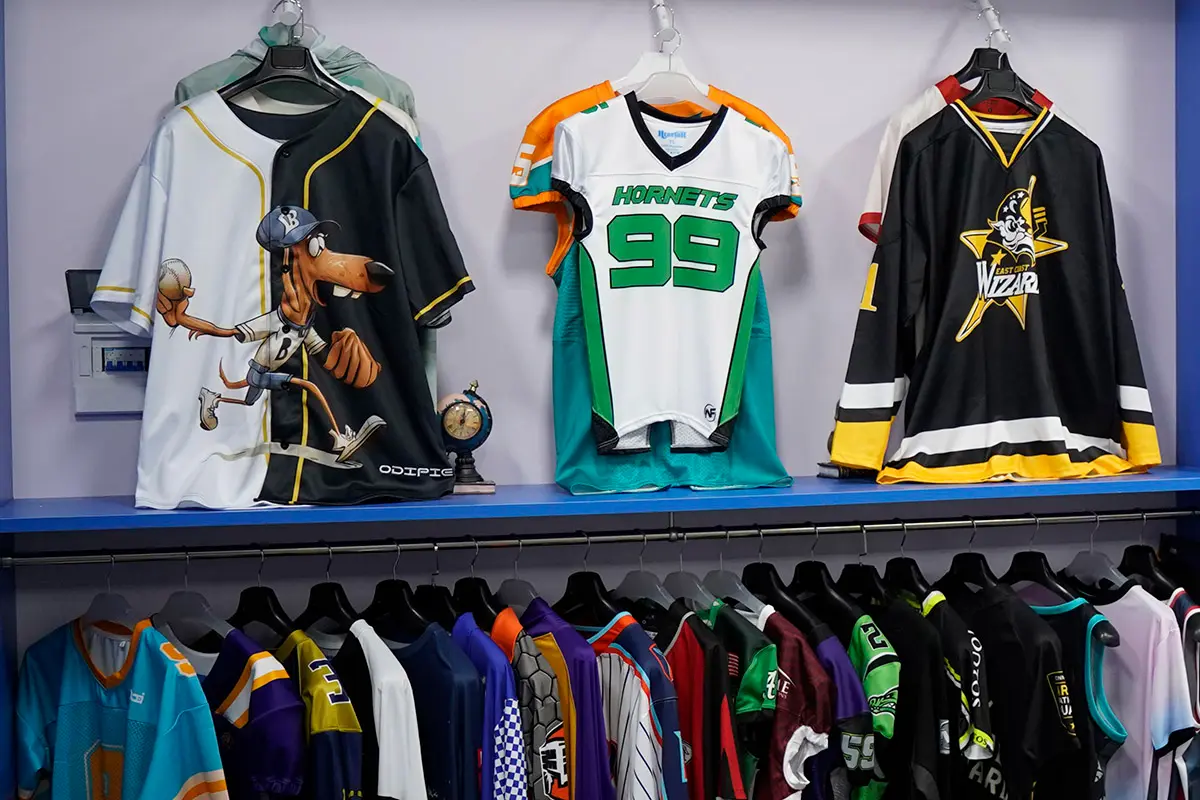
Double-knit polyester is normally firmer and heavier than a light mesh. It can support baseball, American football, or another jersey with a placket, structured body, or heavier decoration.
The trade-off is added weight and a different feel in warm conditions. Choose it for the garment structure, not only because it feels thicker.
Polyester Spandex / Stretch Fabric
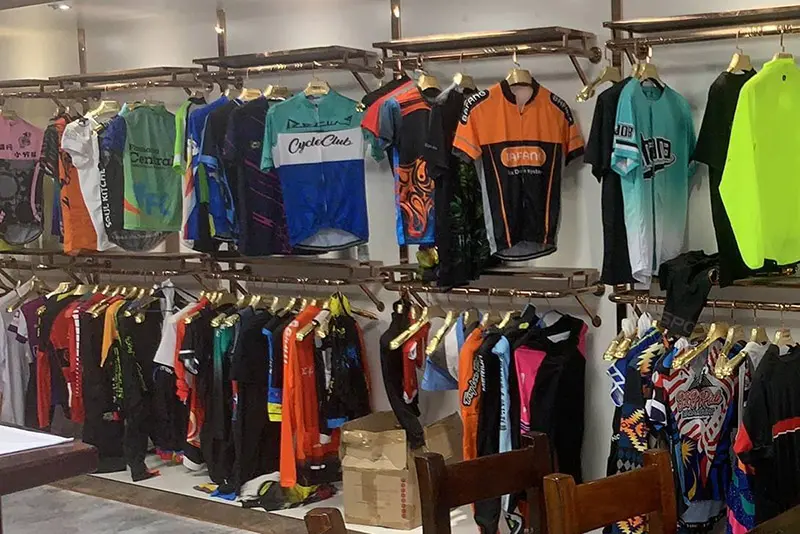
Polyester spandex can support a closer fit for volleyball, cycling, running, or fitted jerseys. Stretch direction and recovery must match the pattern.
Check the sample relaxed and worn. Artwork can change when stretched, and the size chart or heat-transfer settings should not be copied from a non-stretch jersey without review.
Confirm the Fabric in 3 Steps
Use the right sample, then record the approved material before production.
Share the Use and Fit
Send the sport, wearer group, environment, jersey structure, fit, colors, logo method, quantity, and a reference if available.
Review the Fabric Result
Use a swatch for surface and feel, a print test for color and detail, or a finished sample for coverage, fit, and decoration.
Lock the Production Reference
Record the approved fabric code, composition, reference GSM, color or batch, stretch direction, and sample reference.
Need Help Narrowing the Fabric?
Send the jersey type, use, fit, preferred feel or weight, colors, print and decoration needs, quantity, required date, and any reference sample.
Frequently Asked Questions
Answers about print detail, coverage, sizing, and material proof.