

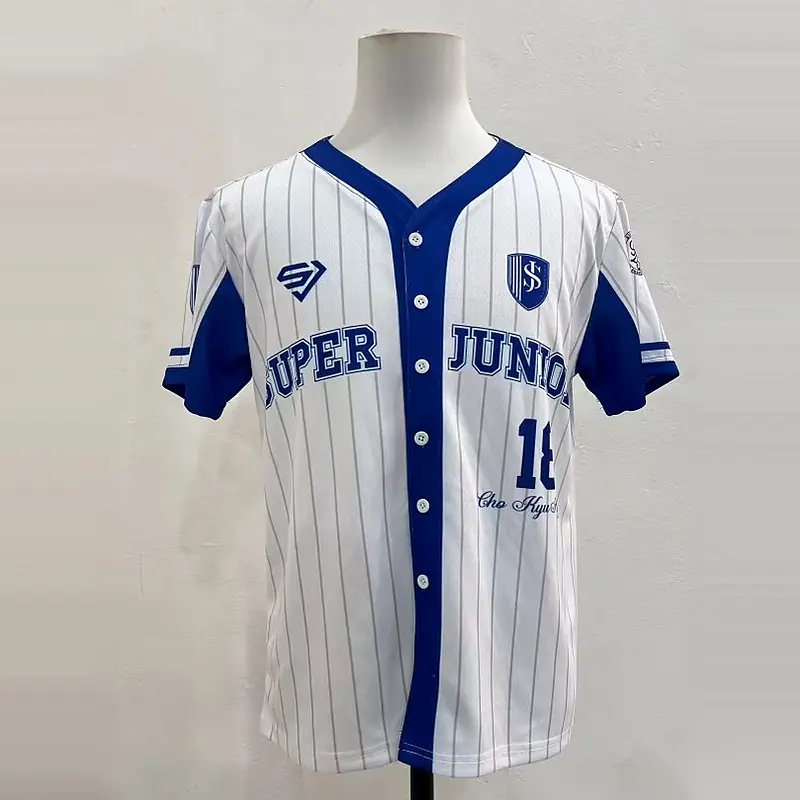
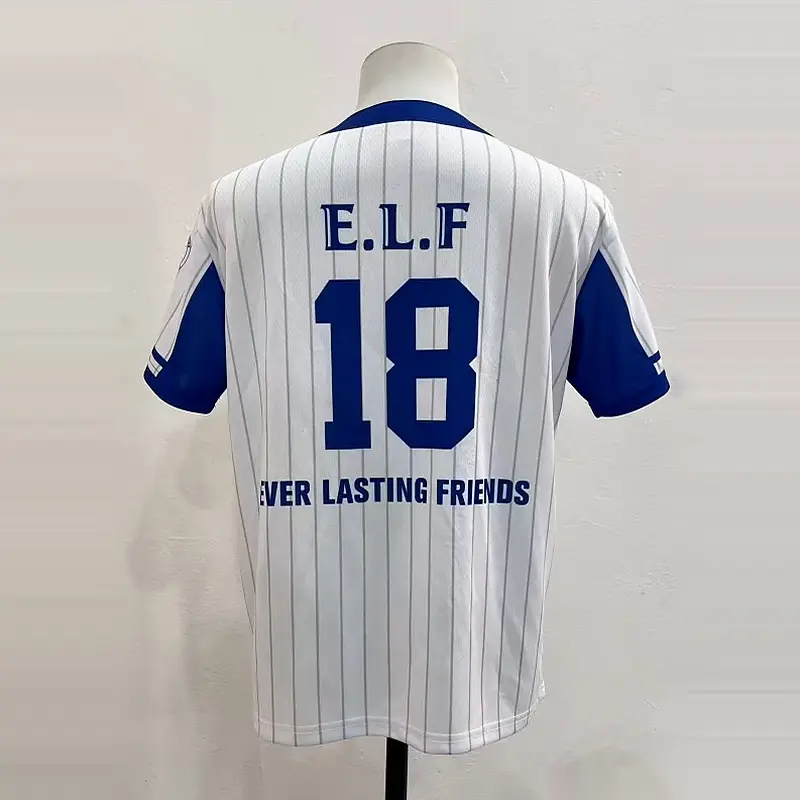
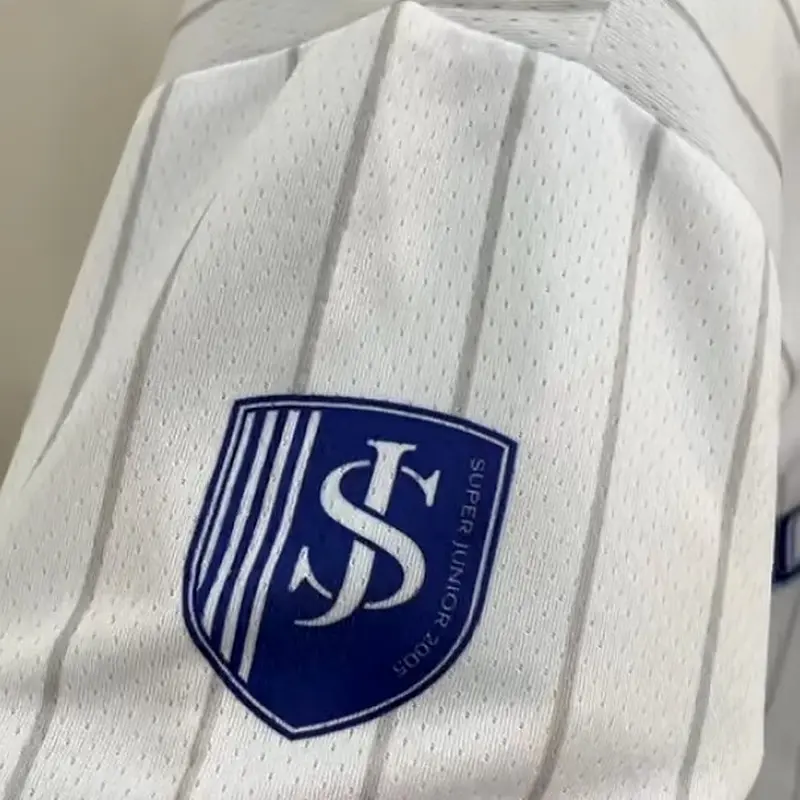
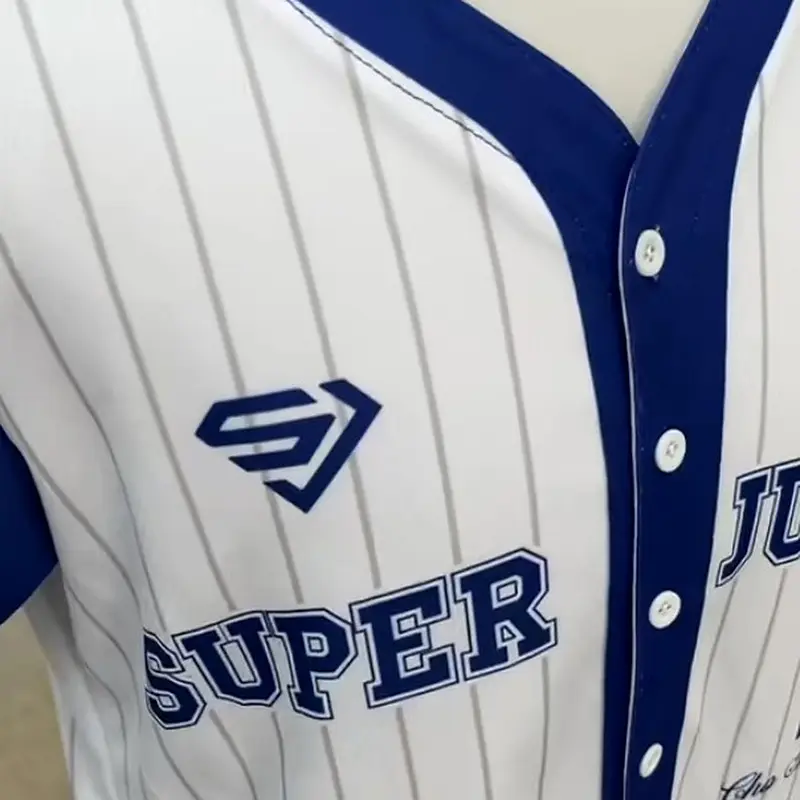
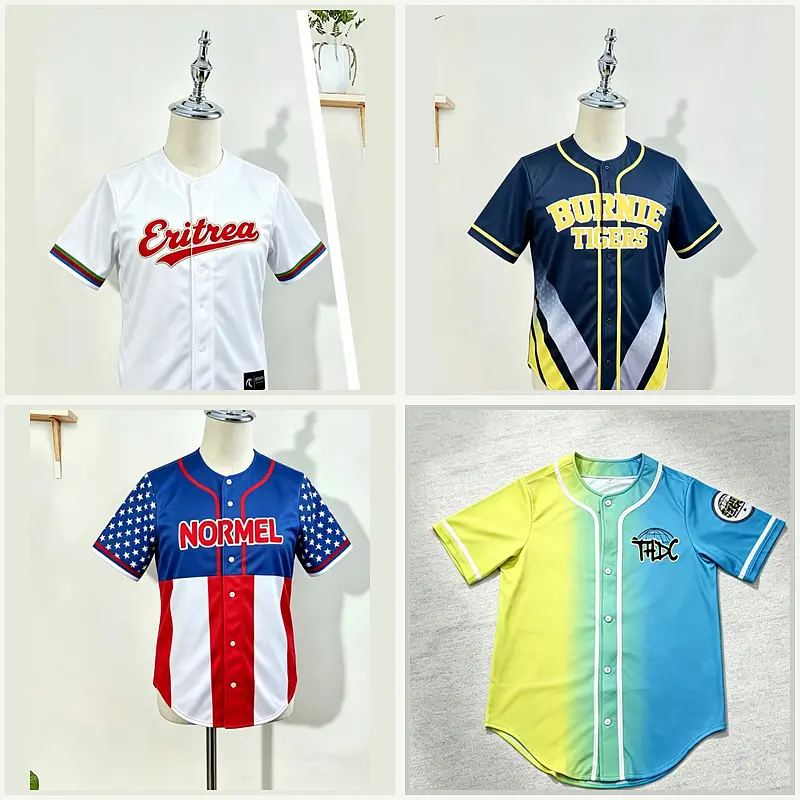
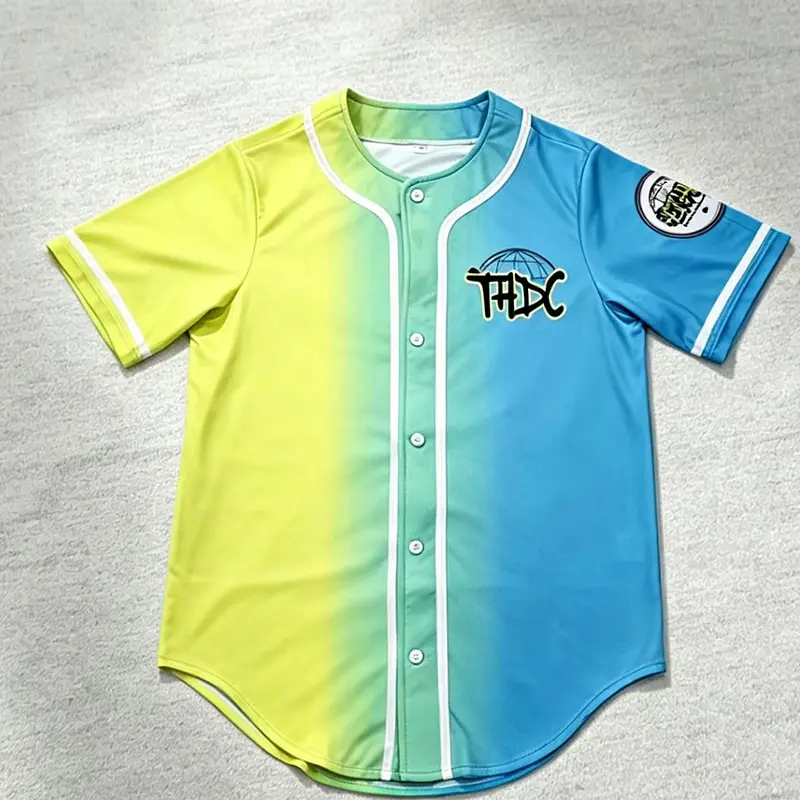
Custom Baseball Jerseys
USD $8-$25 per piece
Custom order range, depending on quantity, fabric, decoration method, size mix, and packing requirements.
Choose a full-button, half-button, or pullover jersey. Then confirm the fabric, team lettering, player details, and decoration in one production version.
- Jersey build: full-button, half-button, pullover, short sleeve, or sleeveless
- Team details: chest text, crest, sleeve mark, player name, and number
- Decoration: sublimation, embroidery, patch, or tackle twill
- Material: double-knit polyester or another approved polyester structure
- Fit: men’s, women’s, youth, regular, relaxed, or custom measurements
- Color: matched from artwork, a Pantone reference, or an approved sample
- Logo: sublimation, embroidery, embroidered patch, heat transfer, or tackle twill
- Packaging: individual or team-grouped packing linked to the final roster
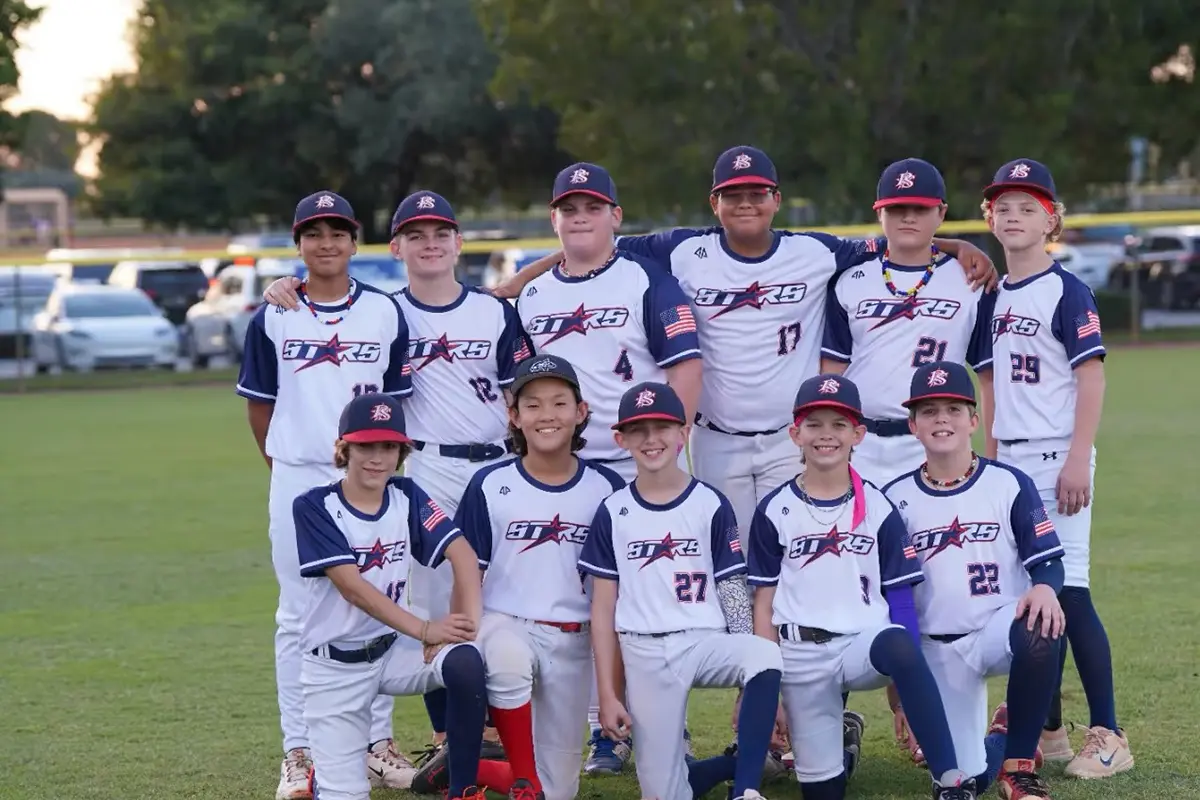
Build One Approved Baseball Jersey Version
The placket, buttons, stripes, lettering, player details, and sizes stay in one approved file. This keeps artwork, production, and packing on the same version.
Three Baseball Jersey Decisions
Set the opening, decoration, and roster before sampling.
Full-Button, Half-Button, or Pullover
Buttons split the front artwork; a pullover keeps it continuous. Confirm sleeves and trim with the style.
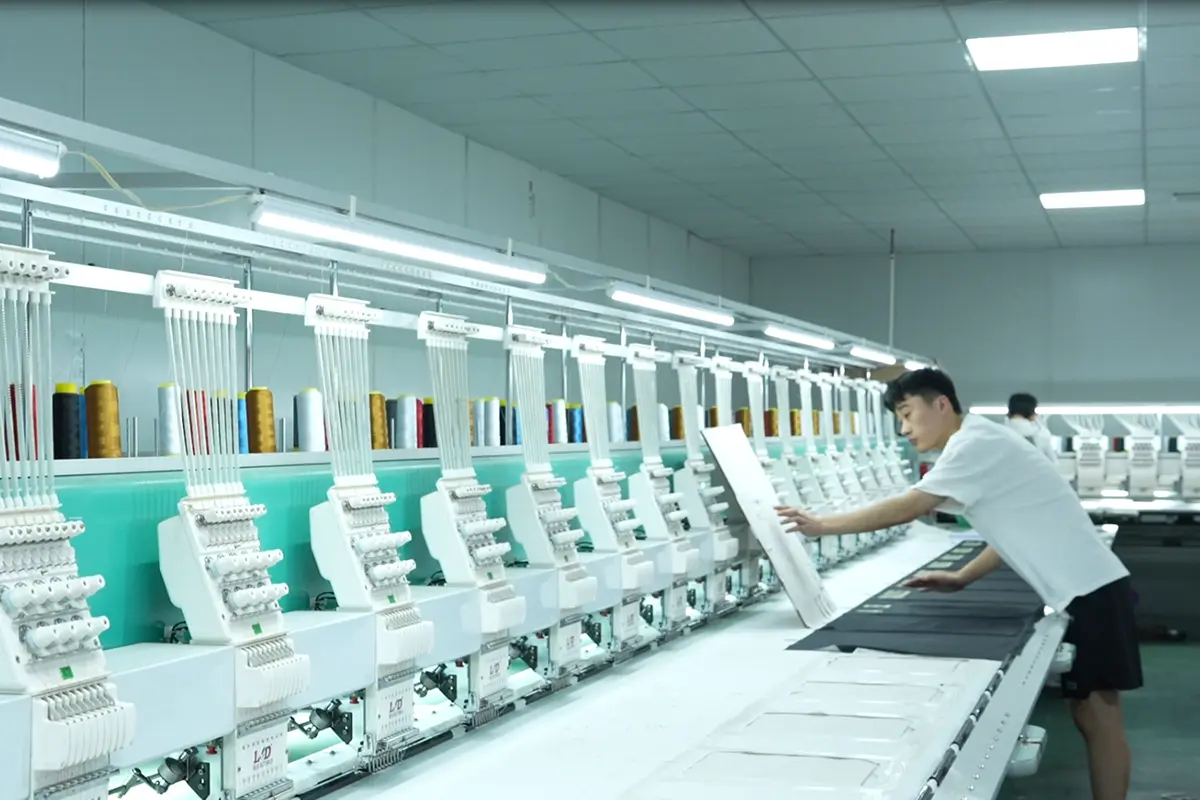
Sublimation or Layered Decoration
Sublimation keeps artwork flat. Embroidery, patches, and tackle twill add raised detail, weight, and production steps.
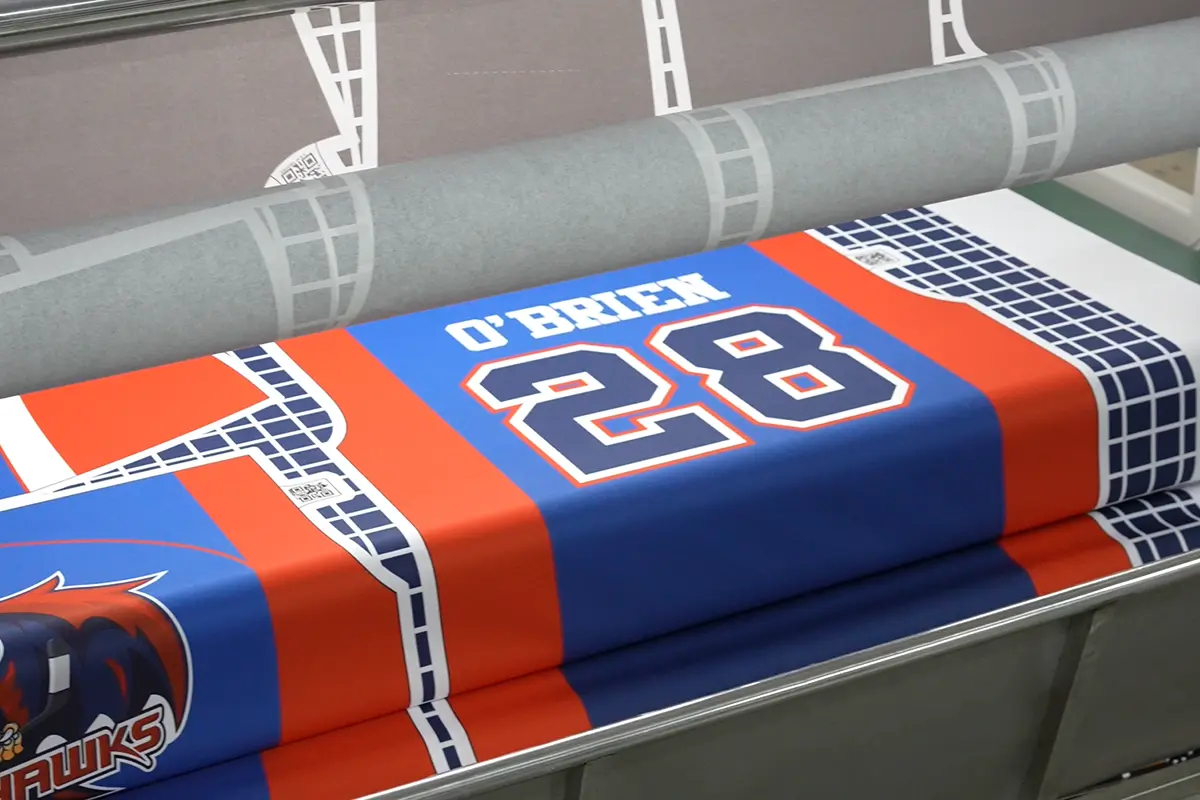
One Final Roster
Keep each player’s name, number, size, style, and packing label in one file.
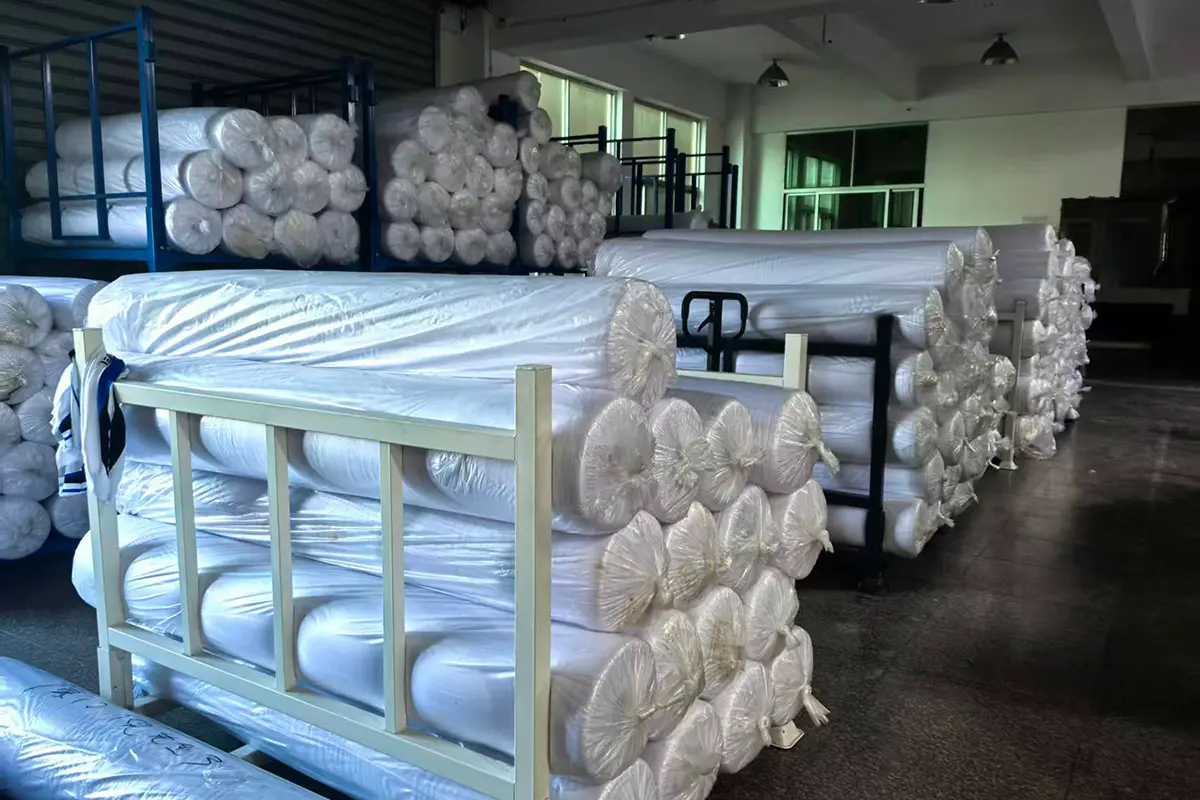
Choose Material Around the Structure
Choose the material after the opening and decoration are set.
- Double-knit polyester
Firmer support for the body, placket, and heavier decoration, with added weight. - Lighter polyester or mesh
Less weight, but coverage, placket support, and decoration need checking. - Before sampling
Confirm the fabric code, composition, GSM, color, surface, and decoration method. - Reference weights
140, 160, 180, 200, 220, and 240 GSM. The right choice depends on the fabric, jersey build, and decoration.
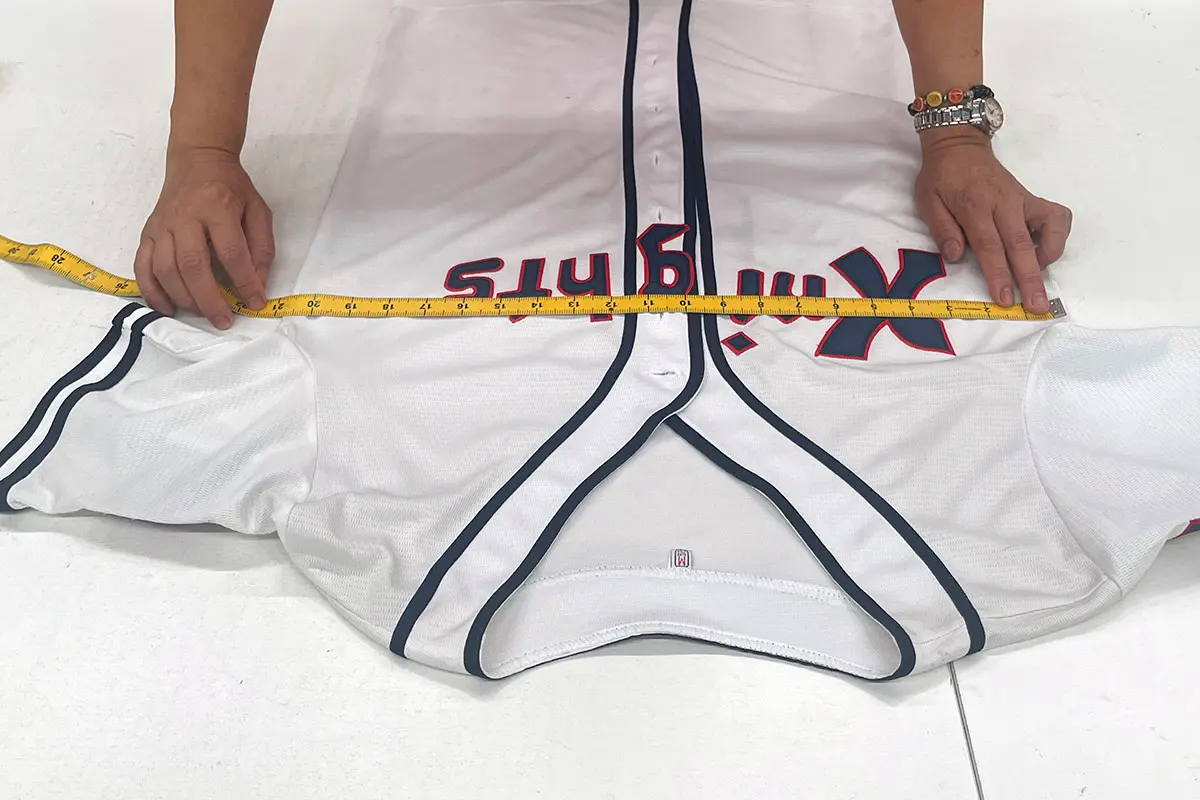
Use a Baseball-Specific Size Reference
Men’s, women’s, youth, regular, relaxed, and custom fits may use different patterns. Compare finished measurements instead of relying on another brand’s size name.
- Start with
Chest, body length, shoulder width, and sleeve length. - Custom measurements
Check the whole pattern, not only one enlarged measurement. - Approval
Use the confirmed size chart, reference garment, or fitted sample.
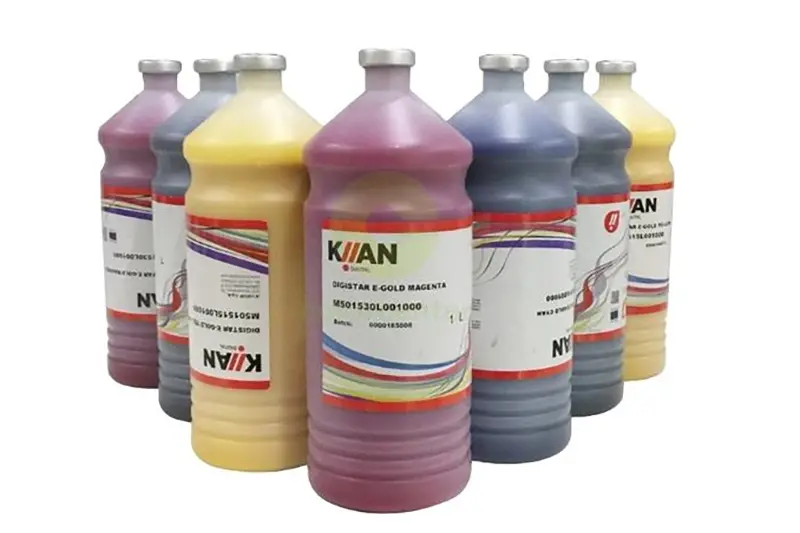
Plan Color Across the Placket and Trim
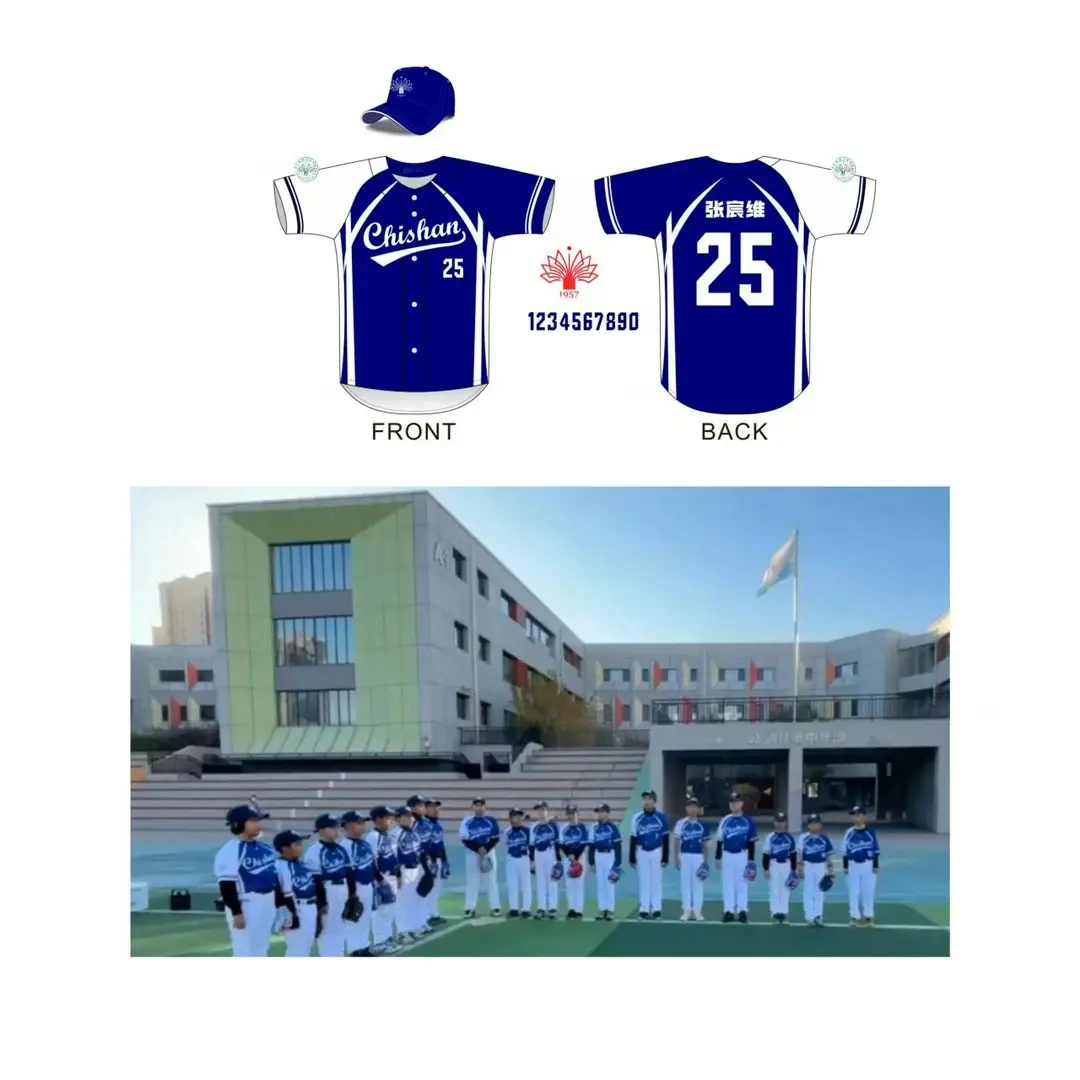
Keep the main color, pinstripes, trim, buttons, and player details in one artwork version.
- Provide a Pantone reference, approved artwork, or physical sample for color matching.
- Check printed color on the selected fabric.
- Check artwork crossing the placket around the opening, seam allowance, and buttons.
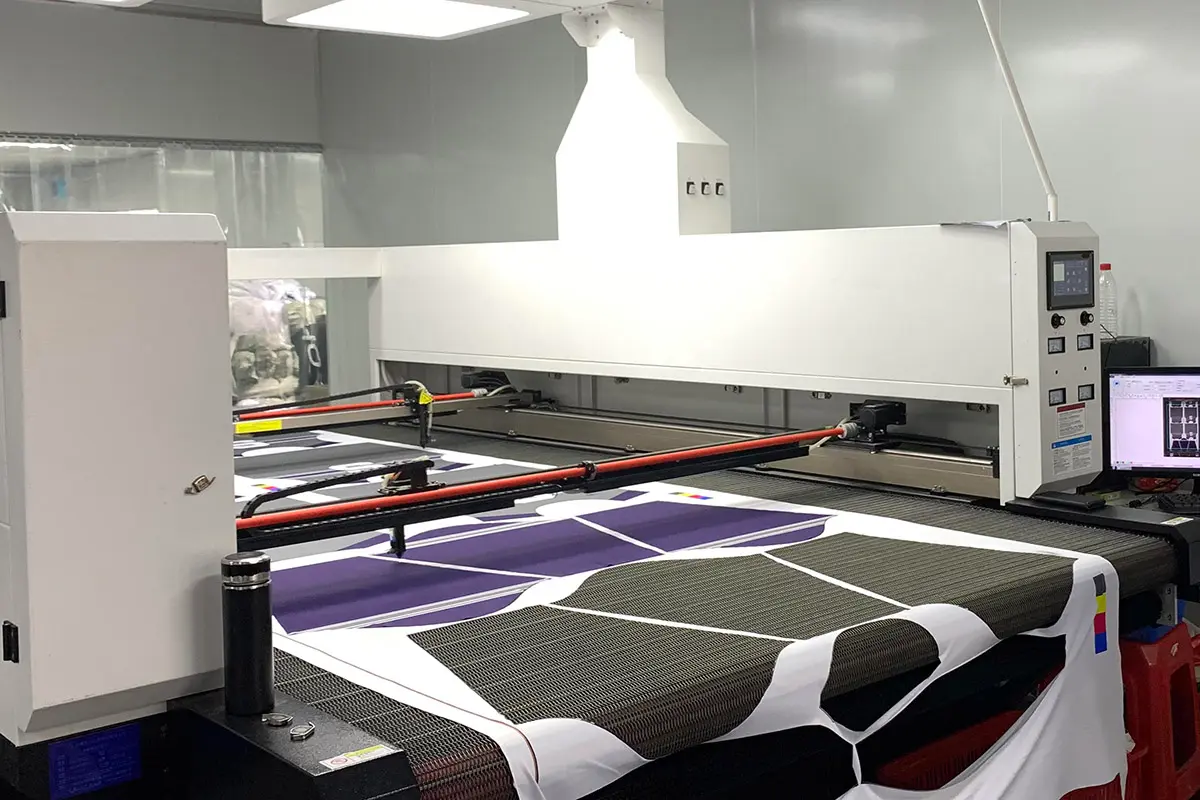
Match Decoration to the Artwork
One jersey may combine chest lettering, a crest, sleeve marks, back details, and an inside-neck mark.
- Sublimation
Multicolor artwork and changing player details on suitable polyester. - Embroidery or patches
Raised crests; small text and thin mesh need review. - Tackle twill
Layered lettering or numbers, with added weight, cost, and production steps. - Artwork
Send the artwork, size, color, placement, and player list. Confirm the method on the selected fabric and sample.
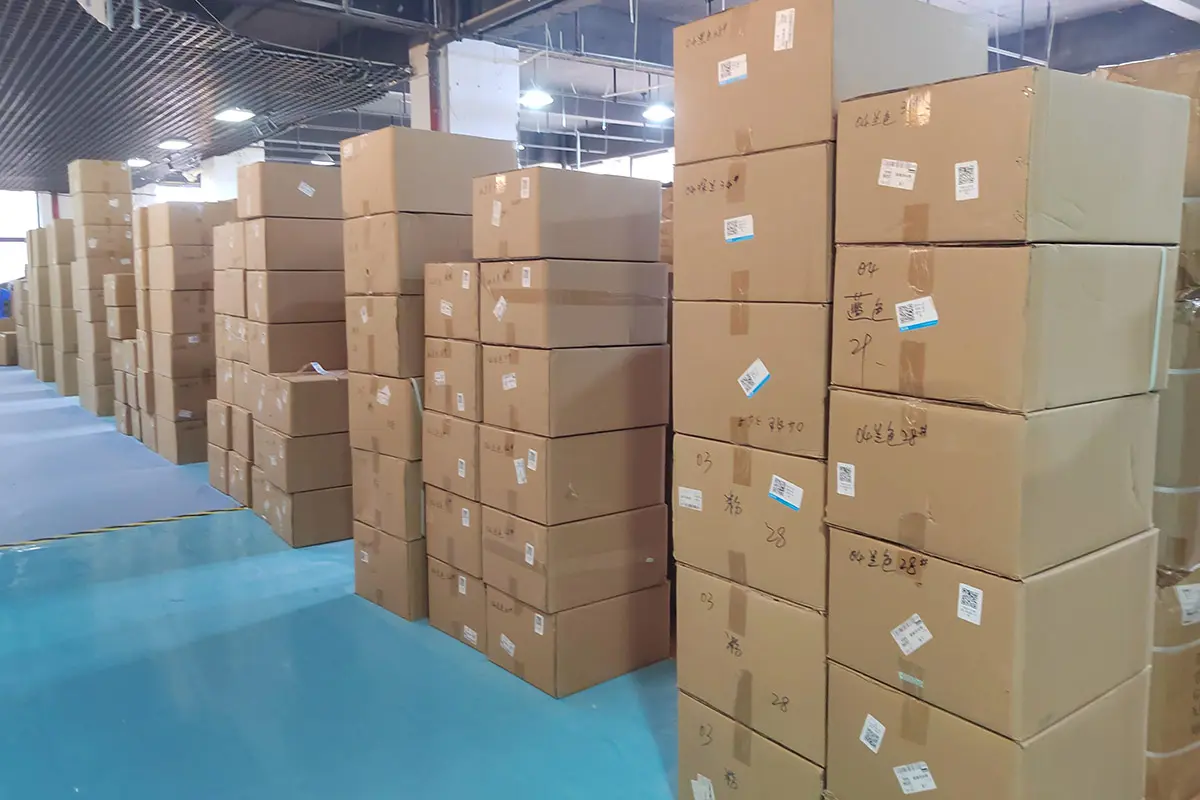
Pack by Player or Team Group
Pack by player, size, or team to make distribution easier.
- Individual bag, team bulk packing, box, mailer bag, or carton.
- Size, player, barcode, or team labels when confirmed.
- Check the garment, roster, label, and packing list together.
Choose Another Jersey Structure
Match the page to the fit and construction you need.
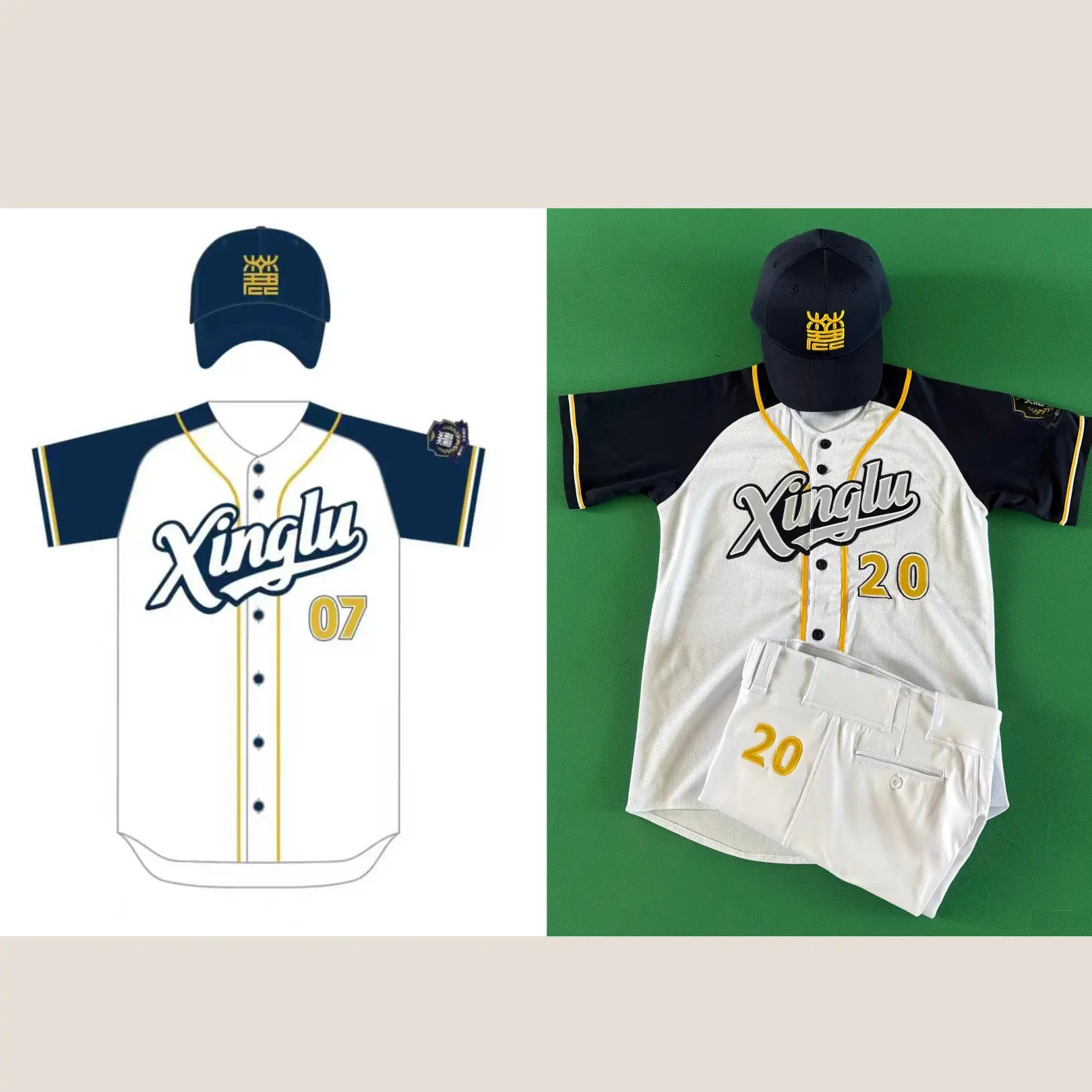
Check the Placket Before Production
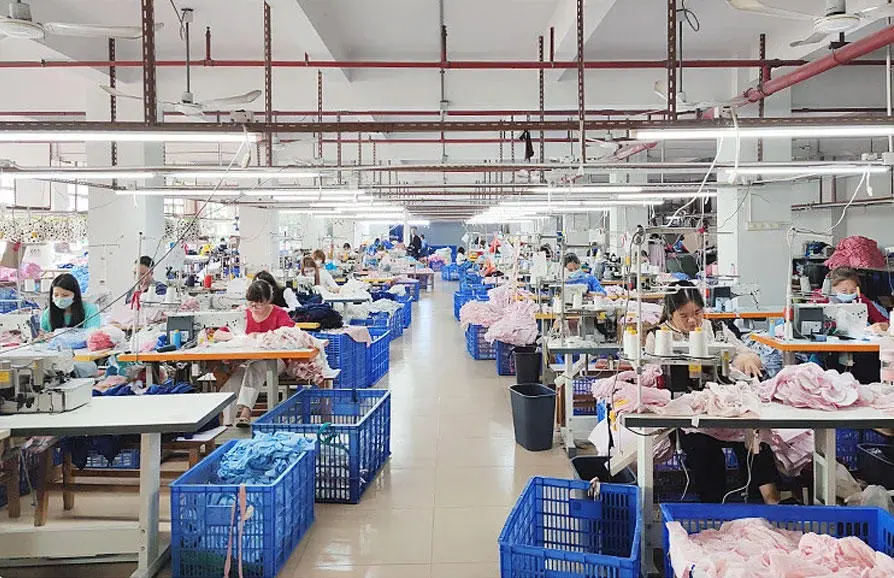
On the approved pattern, we check the placket, buttons, stripes, lettering, sleeve marks, names, and numbers. Cut-part labels keep each player version together, and the finished jersey is checked against the roster before packing.
See the complete order stages.
Send the Details Needed for a Baseball Quote
Send the opening style, sleeve type, quantity, fabric direction, decoration, artwork, roster, size chart, destination, and required date. Add a reference jersey or clear photos if the specification is not final.
Request a Baseball Jersey QuoteFrequently Asked Questions
Baseball-specific answers about color, placket alignment, roster control, decoration, and reorders.